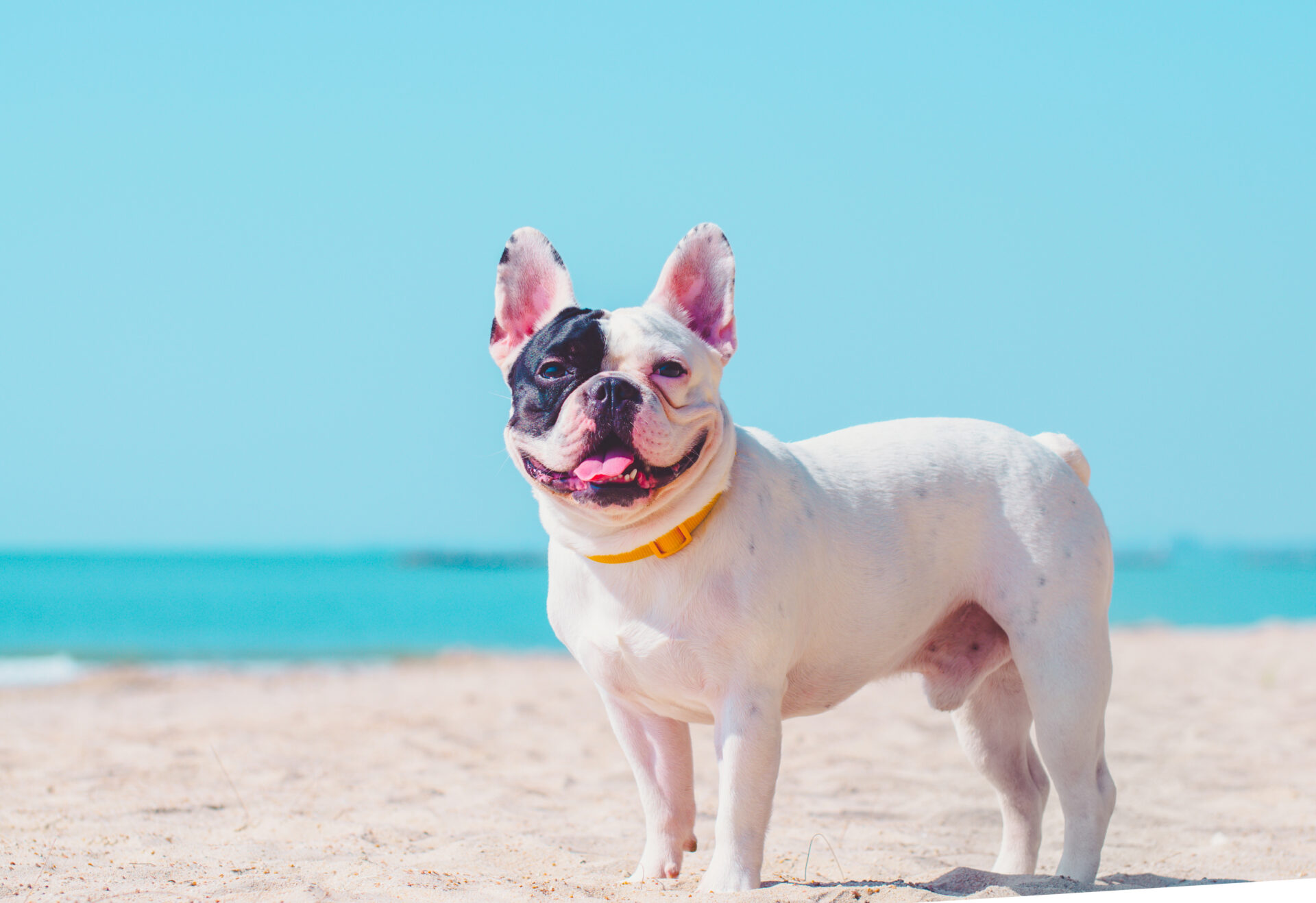
Summer in Montclair brings long evenings, outdoor adventures, and plenty of opportunities to spend time with your pet. For most dogs and cats, a little shade and fresh water go a long way toward staying comfortable in the heat. For brachycephalic breeds, however, the season demands a much more careful approach. Pugs, French Bulldogs, English Bulldogs, Persians, Exotic Shorthairs, and other flat-faced animals are at a uniquely elevated risk when temperatures rise, and what looks like a pleasant afternoon stroll can quickly become a medical emergency.
That risk is not something pet owners in our area should take lightly. At Montclair Veterinary Associates, we see a significant number of brachycephalic patients year-round, and summer consistently brings an uptick in heat-related concerns for this population. Dr. Cory Waxman, a University of Pennsylvania School of Veterinary Medicine graduate who has been treating pets in Northern NJ for more than a decade, encourages owners of flat-faced breeds to treat summer preparedness as an essential part of responsible pet care, not an afterthought.
Why Flat-Faced Breeds Struggle in the Heat
Brachycephalic animals cool themselves primarily through panting, just like other dogs and cats. The anatomical differences are their shortened muzzles, narrowed nostrils, and elongated soft palates, which make the process significantly less efficient. The Cornell University College of Veterinary Medicine notes that brachycephalic breeds cannot pant as efficiently as other dogs, putting them at a higher risk in hot or humid weather. This means their bodies hold on to heat far longer, and the window between “warm” and “dangerously overheated” is much narrower than it is for other breeds.
Recognizing the Warning Signs
Every flat-faced pet owner should know the early indicators that their animal is struggling with the heat. Catching these signs quickly can prevent a serious situation from becoming a life-threatening one.
Common warning signs include the following:
- Excessive or labored panting that seems louder or more strained than usual
- Heavy drooling or foamy saliva around the mouth
- Bright red or pale gums and tongue
- Weakness, stumbling, or reluctance to move
- Vomiting, especially when combined with any of the above signs
These symptoms should be treated as an urgent situation. Move your pet to a cool, air-conditioned space immediately, offer small amounts of cool water, and contact a veterinarian right away. Understanding the full scope of breathing challenges in flat-faced dogs can help you better anticipate when your pet may be in distress before symptoms escalate.
Practical Tips for Keeping Brachycephalic Pets Safe
Managing summer safely for a flat-faced pet requires a few consistent habits that, once established, become second nature.
Time Outdoor Activities Wisely
Avoid taking brachycephalic dogs or cats outside during peak heat hours, which typically fall between late morning and early evening. Early-morning walks before 9 a.m. or short outings after 7 p.m. are the safest times. Hot pavement is also a hazard, as it can burn paw pads and radiate heat directly onto low-to-the-ground pets.
Keep the Indoor Environment Cool
Air conditioning is not a luxury for brachycephalic pets during summer; it is a necessity. A cool indoor space gives their respiratory system a break and reduces the constant demand on their ability to regulate body temperature. If you notice your pet is spending more time on cool floors or seems restless indoors, check that the temperature in your home is genuinely comfortable for them, not just for you.
Watch for Skin Fold Complications
Heat and humidity can make existing skin conditions worse in breeds prone to skin folds, such as Bulldogs and Pugs. Moisture that accumulates in those folds creates an environment where irritation and infection can develop more rapidly in warmer months. Our guidance on skin fold care for brachycephalic breeds covers the cleaning and monitoring routine that can help prevent these issues from flaring up during summer.
Hydration Is Non-Negotiable
Always provide fresh, cool water indoors and bring water on any outing, no matter how brief. Some owners find that adding ice to water bowls helps maintain a cooler temperature throughout the day. Avoid letting your pet drink from standing puddles or outdoor water sources, which can carry bacteria that cause gastrointestinal illness.
Montclair Veterinary Associates Is Here for Your Pet This Summer
If you have a brachycephalic dog or cat, a proactive wellness visit before the season’s hottest weeks is worth scheduling. Pet routine health examinations give us the opportunity to assess your pet’s respiratory health, flag any underlying concerns, and offer personalized guidance tailored to your specific animal. Some flat-faced pets have structural airway issues that put them at greater risk; knowing where your pet stands can make a meaningful difference when temperatures climb.
At Montclair Veterinary Associates, Dr. Waxman and our full care team are committed to supporting your pet’s health through every season. Whether you have questions about summer safety, want to schedule a wellness exam, or need to address a concern that has come up, we are here for you and your pet. Contact our office to set up an appointment, and let us help you keep your flat-faced companion safe, comfortable, and thriving all summer long.