Pet Dental Care
Your pet cannot tell you when their mouth hurts. By the time most owners notice bad breath, reluctance to eat, or pawing at the face, dental disease has often been progressing for months or even years. Oral health is one of the most overlooked aspects of a pet’s well-being, yet it affects nearly every dog and cat in some way before the age of three.
At Montclair Veterinary Associates, we take your pet’s dental health as seriously as any other aspect of their care. Led by Dr. Cory Waxman, a University of Pennsylvania School of Veterinary Medicine graduate who has been treating pets in Northern NJ for more than a decade, our team provides comprehensive pet dental care to help your dog or cat maintain a healthy, comfortable mouth at every stage of life. Our veterinary services are designed to keep your pet healthy from nose to tail.
Why Pet Dental Health Matters
Dental disease is not just a cosmetic concern. According to the American Veterinary Medical Association, periodontal disease is the most common dental condition in dogs and cats, and most pets will show early signs by the time they turn three years old. Left untreated, it can lead to tooth loss, significant pain, and systemic health complications.
The Connection Between Oral and Overall Health
The mouth is a gateway to the rest of the body. When bacteria build up below the gumline, they can enter the bloodstream and affect major organs, including the kidneys, liver, and heart. Routine dental care helps interrupt this cycle before it causes lasting damage. Regular professional cleanings, paired with attentive home care, give your pet the best chance at a long, comfortable life.
What to Expect During a Professional Dental Cleaning
A professional dental cleaning at Montclair Veterinary Associates is a thorough, multi-step process. We begin with a full oral examination to assess the health of your pet’s teeth and gums. Because a significant amount of dental disease occurs below the gumline, dental procedures are performed under anesthesia to allow for safe, complete evaluation and treatment.
Pre-Procedure Bloodwork
Before your pet receives anesthesia, we recommend pre-anesthetic bloodwork to confirm that your pet is healthy enough for the procedure. This step helps us identify any underlying conditions that could affect your pet’s response to anesthesia.
The Cleaning Process
Once your pet is safely under anesthesia, we scale away plaque and tartar both above and below the gumline, then polish the tooth surfaces to reduce future buildup. We also take dental radiographs when needed to evaluate the roots and jaw structure beneath the surface. If any teeth are diseased or damaged beyond recovery, extraction may be recommended to eliminate pain and prevent the spread of infection. Each step is monitored closely throughout the procedure and during recovery.
Warning Signs Your Pet Needs Dental Care
Many pets are skilled at hiding oral discomfort, which is why regular dental exams matter. Understanding what to look for can help you act early. Here are the most common signs that your pet needs a dental evaluation:
Consistently foul breath signals bacterial buildup or infection
Yellow-brown buildup near the gumline indicates plaque accumulation
Dropping food, chewing on one side, or avoiding hard food suggests oral pain
Inflamed gum tissue is a common sign of gingivitis or early periodontal disease
Persistent rubbing can indicate pain your pet cannot otherwise communicate
Becoming less social, reluctance to be touched near the head, or reduced appetite
Noticing any of these signs? Call us at (973) 321-7229 or contact our office to schedule a routine health examination.
What Happens During a Dental Cleaning
Every pet at Montclair Veterinary Associates follows the same careful process, from the pre-procedure conversation through recovery at home. Here is what that looks like at each stage:
🔬 Pre-Procedure Evaluation
We begin with a full oral examination and recommend pre-anesthetic bloodwork to confirm your pet is healthy enough for anesthesia. This step identifies any underlying conditions that could affect the procedure and allows us to individualize the anesthesia protocol for your pet’s size, age, and health status.
💉 Anesthesia & Monitoring
Your pet is placed under general anesthesia so we can safely access every surface of the teeth and gums, including below the gumline, where most dental disease actually lives. A dedicated team member monitors heart rate, respiratory rate, blood pressure, and oxygen levels throughout the entire procedure.
🦷 Scaling, Polishing & X-Rays
We scale away plaque and tartar above and below the gumline, then polish tooth surfaces to slow future buildup. Dental radiographs are taken when needed to evaluate roots and jawbone structure beneath the surface. If any teeth are damaged beyond recovery, extraction may be recommended to eliminate pain and stop the spread of infection.
🏠 Recovery & Home Care
Your pet is monitored until fully alert and comfortable before going home. We send you home with clear discharge instructions and, when appropriate, guidance on brushing and at-home maintenance. Dental chews, water additives, and prescription dental diets can all help extend the results between visits. Our team is happy to make specific recommendations. Visit our professional cleaning guide for a deeper look at what to expect.
Pet Dental Care at Montclair Veterinary Associates
Dr. Waxman and the team at Montclair Veterinary Associates have been caring for pets in Northern New Jersey since 2011. Our practice is locally owned, and our approach to care is comprehensive and personalized. We believe that a healthy mouth is a foundation for a healthy life, and we are committed to helping your pet maintain both. Learn more about our team on our about page.
Whether your pet is overdue for a cleaning, showing signs of discomfort, or simply due for a wellness check, we are here to help. Reach out through our contact page to schedule an appointment and keep your pet’s smile in good shape for years to come.
Montclair Veterinary Associates
Give your pet a healthier smile, close to home
Overdue for a cleaning or noticing warning signs? Our team is here to help.
Frequently Asked Questions About Pet Dental Care
How Often Does My Pet Need Professional Dental Cleanings?
Most pets benefit from professional dental cleanings annually, though some may require more frequent cleanings based on their breed, age, and individual susceptibility to dental disease. Small breed dogs often need more frequent dental care due to their teeth being more crowded, while larger breeds may go longer between cleanings. Our veterinary team evaluates each pet individually and recommends a dental care schedule based on their specific needs and oral health status.
Is Anesthesia Really Necessary for Pet Dental Cleanings?
Yes, general anesthesia is essential for thorough dental cleaning and examination. Anesthesia allows us to safely clean below the gum line where most dental disease occurs, take dental x-rays when needed, and perform any necessary extractions without causing stress or pain to your pet. Anesthesia-free dental cleanings only address visible tartar above the gum line and do not treat the underlying disease, potentially giving pet owners a false sense that their pet’s dental health has been addressed.
What Can I Do at Home to Maintain My Pet's Dental Health?
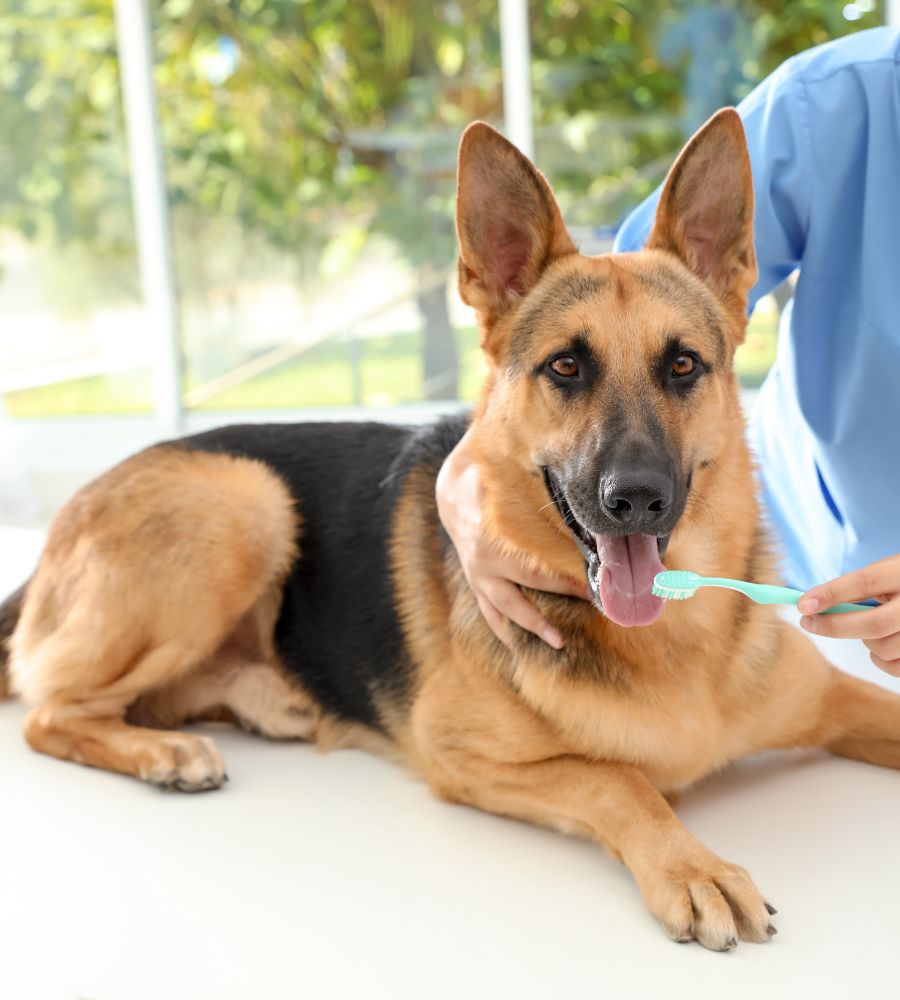
Daily brushing with pet safe toothpaste provides the best at-home dental care, though it requires gradual introduction and patience. Start by letting your pet taste the toothpaste, then progress to touching their teeth and gums before actual brushing. Dental chews approved by the Veterinary Oral Health Council can supplement brushing, and water additives may help reduce bacteria. Never use human toothpaste, as it contains ingredients toxic to pets.
How Much Do Dog Teeth Cleaning and Dental Procedures Cost?
Dog teeth cleaning cost varies based on the extent of dental disease, the need for dental x-rays, extractions, or other treatments, and your pet’s size and overall health status. Routine professional cleanings typically cost less than treating advanced periodontal disease, making regular preventive care more economical in the long run. We provide detailed estimates after examining your pet and determining its specific dental care needs.
What Are the Signs That My Pet Has Dental Pain?
Pets often hide dental pain, but signs include bad breath, difficulty eating, dropping food while chewing, pawing at the face, reluctance to have their head touched, changes in chewing patterns, and behavioral changes like becoming less social. Some pets may prefer soft foods over hard kibble or show decreased appetite. If you notice any of these signs, schedule a dental examination to assess your pet’s oral health and determine appropriate treatment.