Vaccines for Pets in Montclair, NJ
Personalized vaccine plans for dogs and cats in Montclair, NJ, built around your pet’s age, lifestyle, and health history. Every appointment is at least 30 minutes, so every recommendation is explained clearly.
Booking online requires a $60 deposit, which is applied toward your visit and is not an extra fee. Saturday appointments are available.
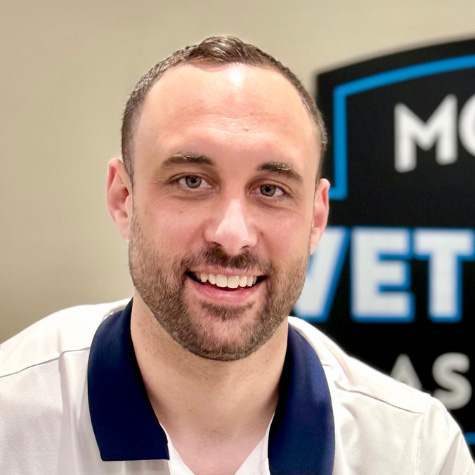
Dr. Cory Waxman, a University of Pennsylvania School of Veterinary Medicine graduate who has been treating pets in Northern NJ since 2011, works with every pet owner to build a vaccination plan suited to their individual animal. Your pet’s age, health history, and daily lifestyle (whether they spend time at dog parks, interact with other cats, or explore the wooded trails and parks of Essex County) all shape which vaccines make sense and on what schedule. For a complete picture of your pet’s preventive care needs, visit our routine health examinations page.

Core and Non-Core Vaccines: What Your Pet Needs in Montclair, NJ
Not every pet requires the same vaccines. The American Veterinary Medical Association recognizes two categories: core vaccines, recommended for all pets regardless of lifestyle, and non-core vaccines, given based on individual risk factors like environment and daily habits.
Core Vaccines for Dogs
Core vaccines for dogs include the DAPP combination (Distemper, Adenovirus, Parvovirus, and Parainfluenza), along with rabies. New Jersey state law requires rabies vaccination for all dogs and cats. The DAPP vaccines protect against diseases that spread quickly and can be severe in unvaccinated animals.
Non-Core Vaccines for Dogs
Non-core vaccines for dogs include Bordetella (kennel cough), Canine Influenza (CIV), Lyme disease, and Leptospirosis. Dogs who visit boarding facilities, grooming salons, or dog parks are strong candidates for Bordetella and CIV. Montclair’s parks and wooded areas are tick-heavy environments, making Lyme a serious consideration for any dog that spends time outdoors. Leptospirosis, a bacterial infection spread through contaminated water and wildlife, is increasingly recommended for dogs in suburban and semi-rural Northern NJ. Pair vaccination with year-round parasite prevention for full coverage.
Core Vaccines for Cats
Core vaccines for cats include the FVRCP combination (Feline Viral Rhinotracheitis, Calicivirus, and Panleukopenia) and rabies. The FVRCP covers diseases that spread through airborne contact, which matters even for indoor-only cats. Montclair Veterinary Associates uses PUREVAX feline vaccines exclusively, the only non-adjuvanted feline rabies vaccine available, which significantly reduces the risk of injection-site reactions.
Non-Core Vaccines for Cats
Feline Leukemia (FeLV) is the primary non-core vaccine for cats. It is strongly recommended for cats with outdoor access or those living with other cats that go outside. Our team evaluates each cat individually before making this recommendation.
When Should Your Pet Be Vaccinated?
Puppies and kittens begin their vaccine series as early as six to eight weeks of age, with boosters given every three to four weeks until around 16 weeks. This schedule is essential because maternal antibodies, passed down through nursing, can interfere with how well early vaccines work, which is why completing the full series matters so much. Adult pets who are current receive periodic boosters, while those with a lapsed history may need to restart certain series. Dr. Waxman reviews every pet’s records at wellness exams and recommends only what is appropriate for that individual animal.
Our pet vaccination schedule guide provides a helpful overview of what to expect at each life stage. That said, every pet is different, and Dr. Waxman’s recommendations may vary based on factors like age, prior vaccine history, current health status, and potential exposure risks. We believe in keeping you informed and involved at every step.
Are Pet Vaccines Safe?
Pet vaccines are safe for the vast majority of animals. Every approved vaccine goes through rigorous testing and ongoing monitoring before and after approval. Most pets experience no reaction at all. Mild, temporary responses (soreness at the injection site or low energy for a day) can occur occasionally but resolve on their own.
Serious adverse reactions are rare. If your pet has a known history of vaccine sensitivity, we will discuss options such as pre-treating with antihistamines, spreading out vaccine appointments, or, in certain cases, running titer tests to evaluate existing immunity levels. Our in-house capabilities allow us to monitor your pet closely and respond promptly to any concerns.
It is also worth noting that the risks of skipping vaccines far outweigh the risks of receiving them. Diseases like parvovirus, distemper, and rabies can be devastating and expensive to treat, and some carry a very high mortality rate. Pair your pet’s vaccines with a strong year-round parasite prevention plan, and you are giving them a solid foundation for a long, healthy life.
Schedule Your Pet's Vaccines at Montclair Veterinary Associates
At Montclair Veterinary Associates, Dr. Waxman and our team are committed to preventive care that is thoughtful, personalized, and grounded in the latest veterinary guidance. Dr. Waxman grew up in Bergen County, earned his degree from the University of Pennsylvania School of Veterinary Medicine, and has been treating pets in Montclair, Verona, Glen Ridge, Bloomfield, Cedar Grove, and the surrounding Northern NJ communities since 2011. He has built a reputation across Northern NJ for genuinely caring about the animals he treats and the people who love them. At Montclair Veterinary Associates, vaccination appointments are never a quick in-and-out. Dr. Waxman reviews your pet’s full health history, accounts for their lifestyle and risk factors, and takes the time to explain every recommendation clearly. You won’t feel rushed, and you won’t leave with unanswered questions. This is what comprehensive, relationship-based veterinary care looks like in practice. Learn more about our team and what sets us apart.
Whether your pet is starting their first vaccine series, overdue for boosters, or due for a full wellness review, we welcome you. Ready to book? Schedule a vaccine visit online. A $60 deposit holds your appointment and is applied toward your visit. Questions first? Fill out our contact form.