
Pet Spaying & Neutering in Montclair, NJ
Individualized spay and neuter surgery in Montclair, NJ, guided by Dr. Cory Waxman’s background in reproductive biology. Every procedure includes a pre-surgical exam, pre-operative bloodwork, and continuous anesthetic monitoring, and every appointment is at least 30 minutes.
Booking online requires a $60 deposit, which is applied toward your visit and is not an extra fee.
Health Benefits of Spaying and Neutering Your Pet
According to the American Veterinary Medical Association, spaying female pets can prevent uterine infection and reduce the risk of breast cancer, while neutering males eliminates testicular cancer risk and reduces the likelihood of prostate problems. These are not minor benefits. Pyometra, a life-threatening uterine infection that develops in unspayed females, requires emergency surgery and can be fatal if missed. Mammary cancer is fatal in approximately 50% of dogs and 90% of cats. The simplest way to prevent both is a routine spay performed at the right age.
For male pets, neutering eliminates testicular cancer entirely and significantly reduces the risk of benign prostatic hyperplasia, a progressive condition in intact male dogs. Behaviorally, neutered males are less likely to roam, mark territory indoors, or engage in aggression driven by reproductive hormones, changes most pet owners notice within a few weeks of the procedure.
Key health benefits at a glance:
Eliminates risk of life-threatening uterine infection in females
Lowers risk of mammary cancer, which is fatal in 50% of dogs and 90% of cats
Neutering removes all testicular cancer risk in male pets
Significantly reduces benign prostatic hyperplasia in male dogs
Neutered males show reduced territorial and roaming behaviors
Spayed/neutered pets live longer on average than intact animals
Optimal Timing for Spaying and Neutering
The right age to spay or neuter depends on your pet’s species, breed, size, and individual health picture. For cats, the AVMA and AAHA both recommend sterilization by five months of age. For small-breed dogs, the traditional window of four to six months generally holds. For large and giant breed dogs, however, current research suggests waiting until growth plates have closed (typically between 12 and 18 months) to reduce the risk of orthopedic complications linked to early hormone loss.
Female pets benefit most from being spayed before their first heat cycle, which can occur as early as six months of age. Each heat cycle that passes before spaying increases the statistical risk of mammary tumors. Dr. Waxman evaluates every patient individually and will give you a specific recommendation based on your pet’s breed, body condition, and development, not a blanket policy.
What to Expect During the Surgical Process
Every procedure begins with a pre-surgical examination and bloodwork to confirm your pet is healthy enough for anesthesia. Spaying involves an abdominal incision to remove the ovaries and uterus under general anesthesia. Neutering removes the testicles through a small scrotal incision. Both procedures use modern anesthetic protocols and continuous vital sign monitoring throughout.
Most pets go home the same day. You will receive clear, written post-operative instructions covering activity restriction, incision care, pain management, and when to call us. Recovery typically takes seven to ten days, during which your pet should be kept calm and the incision site checked daily. If anything looks unusual, such as swelling, discharge, or signs of discomfort, we want to hear from you right away.
Age-Related Considerations for Spaying and Neutering
Puppies and kittens can be safely spayed or neutered as early as eight weeks of age, and many owners choose to pair the procedure with early vaccinations or a microchipping appointment to consolidate visits. Young animals typically recover faster than older pets and tolerate anesthesia well when appropriate pediatric protocols are used.
Adult and senior pets can also be safely spayed or neutered, though they may require more comprehensive pre-surgical testing to clear them for anesthesia. Older pets with existing health conditions need a careful evaluation of risk versus benefit, which is exactly the kind of individualized conversation we have at every consultation. For senior pets already managing other health concerns, visit our geriatric pet care page for more on our approach to older animals.
Age-by-age considerations:
Can be safely spayed/neutered as early as 8 weeks, with faster recovery and better anesthesia tolerance
Typically ready by 5–6 months, before sexual maturity
May benefit from waiting until 12–18 months for full skeletal development
Can be safely spayed/neutered, but may need pre-surgical bloodwork to clear for anesthesia
Evaluated individually, with risk vs. benefit discussed at consultation with Dr. Waxman
Pair with vaccinations or microchipping to reduce the number of anesthesia events

Behavioral Benefits of Spaying and Neutering Your Dog or Cat
Many pet owners notice behavioral changes within weeks of spaying or neutering. Male pets often show reduced aggression, less roaming, and a significant drop in territorial marking, behaviors driven almost entirely by testosterone. Female pets no longer experience heat cycles, eliminating the restlessness, increased vocalization, and hormonal swings that can be disruptive to households.
That said, spaying and neutering are not behavioral cure-alls. Learned behaviors and anxiety-based issues are not hormone-driven and will not be resolved by surgery. Proper training and socialization remain essential for a well-adjusted pet. What these procedures reliably address are the reproductive hormone-driven behaviors, and for most families, eliminating those alone makes a meaningful difference in daily life.
Cost Considerations and Long-Term Value
Spaying and neutering are investments that pay off many times over. The upfront cost of surgery is typically a fraction of what emergency treatment for pyometra, mammary tumors, or testicular cancer would cost later. Many pet insurance policies cover the procedure, and our team can walk you through what to expect during your consultation.
Recovery: What to Expect at Home
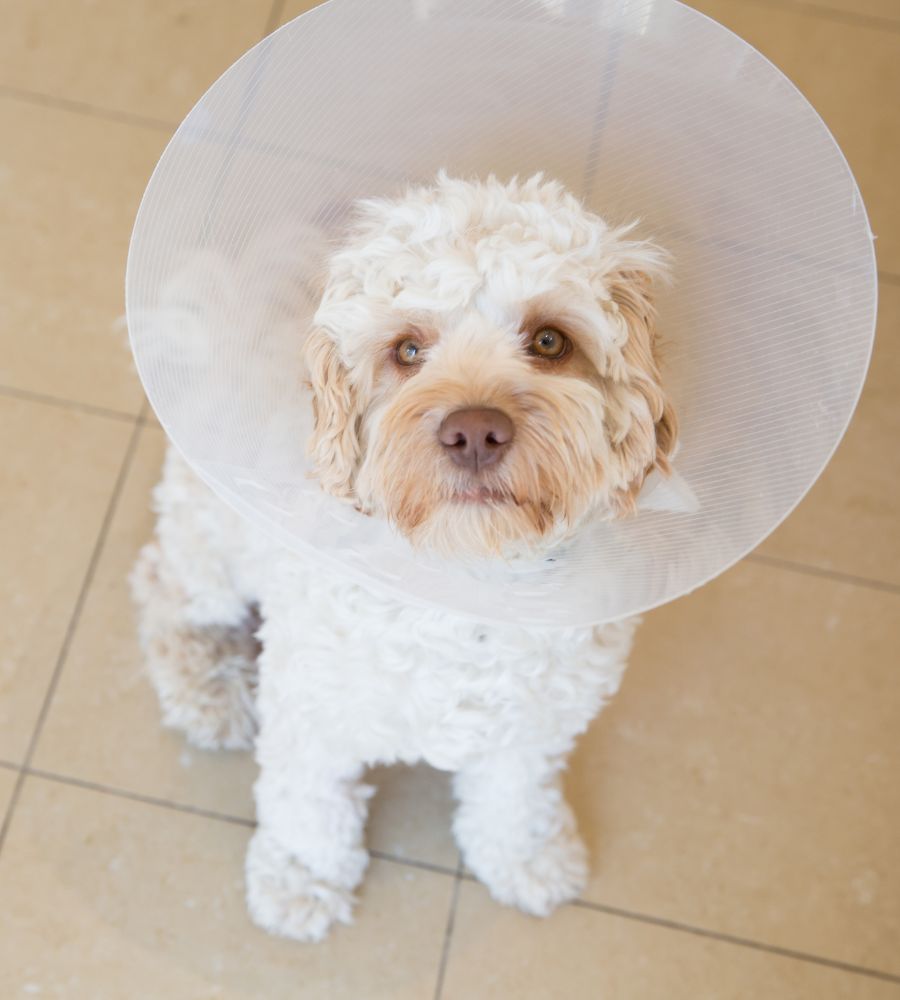
Most pets recover fully within seven to ten days. Keep your pet calm, restrict running and jumping, check the incision daily for redness or swelling, and use the e-collar as directed to prevent licking. We send every patient home with written post-op instructions and encourage you to call us with any questions during recovery.
Pet Spaying & Neutering at Montclair Veterinary Associates
Dr. Waxman’s background in reproductive biology gives him a level of depth that is uncommon in general practice. During his research for the Noah’s Ark Project at Northwestern University and the University of Pennsylvania, he developed artificial reproduction methods for endangered canine and feline species, work that deepened his understanding of reproductive physiology in ways that inform every spay and neuter consultation he conducts. At Montclair Veterinary Associates, every surgical patient receives pre-operative bloodwork, careful anesthesia monitoring, and a thorough recovery briefing before going home. Appointments are never rushed, so you will always have time to ask questions and fully understand your pet’s care plan. This is the level of attention a locally owned, relationship-first practice is built to provide.
Every spay and neuter at our Montclair practice includes the following:
- ✔ Pre-surgical physical exam and bloodwork to confirm anesthetic safety
- ✔ Individualized timing recommendation based on breed, size, and development
- ✔ Continuous monitoring of vital signs throughout the procedure
- ✔ Pain management during and after surgery
- ✔ Same-day discharge with written post-operative instructions
- ✔ Follow-up support if any questions or concerns arise during recovery
To learn more about our team and surgical approach, visit our about page. Ready to schedule? Book a pre-surgical consultation online to discuss the best timing for your pet. A $60 deposit holds your appointment and is applied toward your visit.
Montclair Veterinary Associates
Give your pet the protection they deserve
Every consultation is at least 30 minutes, so there is time for every question about timing and the procedure. A $60 deposit holds your appointment and is applied toward your visit.
Pet Spaying & Neutering FAQ
What age is best to have my pet spayed or neutered?
Most veterinarians recommend spay-neuter procedures around 5 to 6 months of age, before pets reach sexual maturity. Most cats and small-breed dogs are ready by this time, but larger dogs or other animals may require a slightly different timeline. Your veterinary team will evaluate your pet’s health and development to determine the best time, ensuring the procedure delivers full health benefits while minimizing risk.
What does spay surgery involve for female animals?
Spay surgery involves the removal of the ovaries and usually the uterus in female animals, including female cats and female dogs. It’s performed under general anesthesia as a major surgical procedure. The surgery prevents unwanted pregnancies and reduces the risk of breast cancer and uterine infections. Afterward, pet owners must monitor the incision site and limit their pet’s activity for seven to ten days to support healing.
How is our spay and neuter care different from a low-cost clinic?
Low-cost clinics are designed around volume. Our surgical care is designed around your individual pet: every spay and neuter includes a pre-surgical physical exam and bloodwork to confirm anesthetic safety, an individualized timing recommendation, continuous monitoring of vital signs, pain management during and after surgery, and written post-operative instructions with follow-up support. For adolescent pets (under 18 months), neuters are $1,000–$1,500 and spays are $1,200–$1,700. We are happy to walk you through exactly what is included during your consultation.
How does neutering benefit male animals?
Neuter surgery for male animals, such as male cats, removes the testicles to prevent reproduction and reduce unwanted behaviors like roaming and marking territory. It also lowers the risk of testicular cancer and some prostate issues. This surgical procedure is safe, performed under general anesthesia, and offers both behavioral and long-term health benefits for your pet when performed at the right age.
What kind of care is required after the procedure?
How much does spaying or neutering cost at Montclair Veterinary Associates?
At Montclair Veterinary Associates, spaying and neutering for adolescent pets (under 18 months) is priced at $1,000–$1,500 for neuters and $1,200–$1,700 for spays. Every procedure includes thorough pre-operative evaluation and careful monitoring throughout surgery and recovery. Dr. Waxman’s background in reproductive biology, developed through his research for the “Noah’s Ark” Project at Northwestern University and the University of Pennsylvania, means your pet’s surgical care is informed by a level of expertise you won’t find at most general practices. Our 30-minute appointments ensure you’re never rushed, and we make sure both you and your pet are fully prepared every step of the way. To schedule a consultation, book online or contact us.