Pet Soft Tissue Surgery
Surgery is one of the most trust-intensive experiences a pet owner faces. You are handing your cat or dog over, often when they are already vulnerable, and counting on someone who knows what they are doing to bring them back to you better than before. That trust is something our team takes seriously at every step: from the pre-surgical conversation, through the procedure, to the moment your pet goes home with you.
At Montclair Veterinary Associates, we perform a broad range of soft tissue surgical procedures for cats and dogs in Montclair, NJ as part of our comprehensive veterinary services. Dr. Cory Waxman is a University of Pennsylvania School of Veterinary Medicine graduate who has been treating pets across Northern NJ since 2011. He brings a steady, thorough approach to every case (whether it is a routine mass removal on your cat, an urgent abdominal procedure, or a complex soft tissue surgery for your dog) and ensures you understand every aspect of your pet’s treatment before it begins.
What Is Cat & Dog Soft Tissue Surgery?
Soft tissue surgery is any surgical procedure that involves the organs, skin, muscles, and internal structures of the body, everything except the bones and joints. For cats and dogs, this covers a wide range of conditions that general practice veterinarians handle regularly: growths that need to be removed, hernias that need repair, lacerations that require proper closure, reproductive surgeries like spays and neuters, and more urgent interventions involving the digestive system, urinary tract, or abdominal cavity.
At Montclair Veterinary Associates, Dr. Cory Waxman performs soft tissue procedures in-house, which means your pet does not need to be referred elsewhere for most surgical needs. Whether the situation is planned, like a mass removal or a spay, or more urgent, like a urinary blockage, the goal is the same: precise technique, careful anesthesia management, and attentive recovery support from a team that knows your pet.
Cat & Dog Soft Tissue Surgery: What We Treat
Soft tissue surgery covers any surgical procedure involving organs and structures other than bones and joints. According to the Cornell University College of Veterinary Medicine, soft tissue surgery spans a wide range of conditions across the digestive system, urinary tract, respiratory tract, skin, endocrine organs, and more, making it one of the broadest and most frequently needed categories of veterinary surgical care for both cats and dogs. At the general practice level, soft tissue surgery addresses the conditions pet owners actually encounter: a mass that needs to be removed, a hernia that needs repair, a laceration that requires proper closure, or a spay or neuter procedure. It also covers more urgent interventions, such as cats and dogs with urinary blockages requiring surgical correction. The common thread is that these procedures involve living tissue that requires precise technique, careful anesthesia management, and attentive recovery support, all of which our team provides in-house.Cat & Dog Soft Tissue Surgical Procedures We Perform
Our surgical capabilities at Montclair Veterinary Associates cover a broad range of procedures for cats and dogs. Here is what we most commonly perform at our Montclair practice:Has your cat or dog been recommended for surgery? Call us at (973) 321-7229 or contact our office to schedule a consultation.
What Happens Before, During & After Surgery
Every cat and dog at Montclair Veterinary Associates follows the same careful process, from the first conversation about a recommended procedure through recovery at home. Understanding what to expect at each stage can make the entire experience less stressful for both you and your pet. We walk every owner through the full picture before surgery day, and we stay available to answer questions throughout recovery. Here is what that looks like at every stage:🔍 Pre-Surgical Evaluation
Before any procedure, we perform a thorough physical examination and run pre-anesthetic bloodwork to assess organ function and identify any conditions that could affect anesthesia safety. Anesthesia protocols are individualized for every patient: a cat’s requirements differ meaningfully from a dog’s, and senior pets or those with underlying health concerns may need additional screening before we proceed. Dr. Waxman walks you through the procedure in detail before the day of surgery: what it involves, what the recovery looks like, and exactly what to watch for at home. You will not leave that conversation with unanswered questions.
💉 Anesthesia & Continuous Monitoring
Your pet is never left unmonitored under anesthesia. Throughout the entire procedure, a dedicated team member tracks heart rate, respiratory rate, blood pressure, oxygen saturation, and CO₂ levels, adjusting in real time if anything deviates. Pain management begins before the first incision, not after. We use a multi-modal approach combining local anesthetics at the surgical site, anti-inflammatory medications, and systemic pain relievers, tailored to the specific procedure and your pet’s size, age, and health status. Most cats and dogs go home the same day for routine surgeries.
🐾 Post-Op Monitoring & Discharge
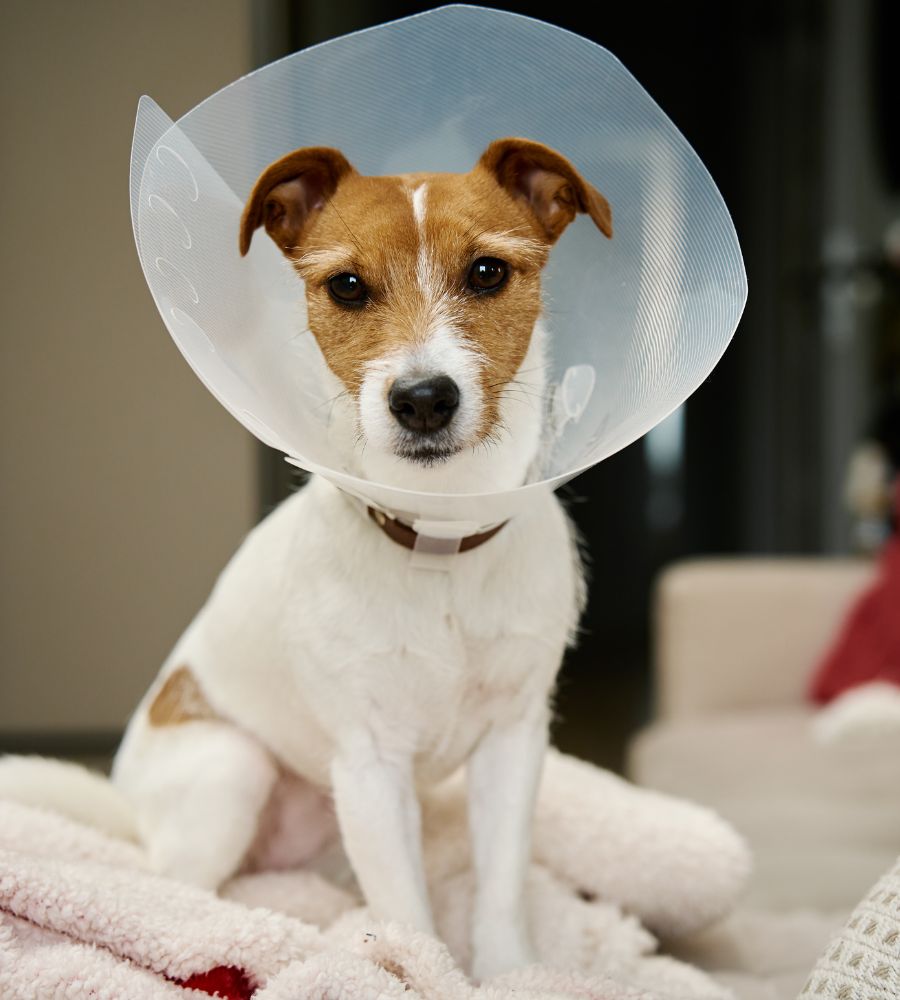
After the procedure, your pet is observed in our care until fully alert, stable, and comfortable before going home. We do not rush discharge. Every patient leaves with written post-operative instructions covering activity restriction, incision monitoring, medication administration, feeding guidance, and specific signs that should prompt an immediate call to our office, including excessive swelling, discharge with odor or color, incision opening, or fever. For cats, we advise using an Elizabethan collar to prevent licking at the incision, one of the most common causes of post-operative complications.
🏠 Recovery & Follow-Up
Initial healing for most soft tissue procedures takes 10–14 days, with full recovery typically within 2–4 weeks depending on the procedure, your pet’s age, and overall health. We schedule follow-up appointments to monitor healing progress and remove sutures when appropriate. If something looks off between visits, do not wait for the recheck. Call us. Early contact leads to early intervention. Visit our in-house lab and diagnostics page to learn more about how we support ongoing post-surgical monitoring.
Pet Soft Tissue Surgery at Montclair Veterinary Associates
Dr. Waxman’s surgical experience spans more than a decade of general practice in Montclair, where he has performed hundreds of soft tissue procedures for the cats and dogs of Northern NJ families. His University of Pennsylvania training and ongoing commitment to continuing education mean that surgical care at our practice reflects current standards. If your cat or dog has been recommended for surgery, has a mass that needs evaluation, or is showing signs of a urinary blockage or abdominal concern, contact our office to schedule a consultation.Montclair Veterinary Associates
Expert surgical care for cats & dogs, close to home
Questions about a procedure or a mass that needs evaluation? Our team is here to help.
Frequently Asked Questions About Pet Soft Tissue Surgery
What Should I Expect During My Pet's Pre-Surgical Evaluation?
Before any surgical procedure, we perform a comprehensive physical examination and blood work to ensure your pet is healthy enough for general anesthesia and surgery. This evaluation includes checking vital signs, listening to the heart and lungs, and reviewing any existing medical conditions that might affect the surgical process. Pre-surgical blood tests help identify potential complications and allow our veterinary team to customize anesthesia protocols for your pet’s individual needs. We also discuss the specific procedure, expected outcomes, and post-operative care requirements to ensure you understand every aspect of your pet’s treatment.
How Long Does Recovery Take After Soft Tissue Surgery?
Recovery time varies depending on the complexity of the surgical procedure and your pet’s individual healing rate. Most routine soft tissue surgeries require 10-14 days for initial healing, with full recovery typically occurring within 2-4 weeks. Emergency surgery cases or more complex procedures may require longer recovery periods. During this time, activity restriction is crucial to prevent complications and ensure the surgical site heals properly. Young, healthy animals generally heal faster than senior pets or those with underlying health conditions. We provide detailed recovery instructions and schedule follow-up appointments to monitor your pet’s progress toward full recovery.
What Are the Signs of Infection After Surgery?
After surgery, it’s important to monitor the surgical site for signs of infection or complications. Warning signs include excessive swelling, redness extending beyond the immediate surgical area, discharge that is yellow, green, or has a foul odor, and opening of the incision. Other concerning symptoms include fever, loss of appetite lasting more than 24 hours, lethargy, or your pet showing signs of significant pain despite pain medication. If you notice any of these signs, contact our office immediately. Early detection and treatment of infection greatly improve outcomes and prevent more serious complications from developing.
Is Pain Management Really Necessary After Soft Tissue Surgery?
Yes, effective pain management is essential for successful surgical outcomes and your pet’s comfort. Pain not only causes suffering but can also slow healing and increase the risk of complications. We begin pain management before the first incision with local anesthetics at the surgical site and continue with appropriate medications throughout recovery. Our multi-modal approach addresses different pain pathways for more complete comfort than single medications alone. Proper pain control helps pets rest better, eat normally, and heal faster. We adjust pain medications based on the specific procedure and your pet’s individual response to ensure optimal comfort throughout recovery.
When Should I Be Concerned About Emergency Surgery for My Pet?
Some situations require immediate veterinary attention and shouldn’t wait for a scheduled appointment. Signs of gastric dilatation volvulus (bloat) include unproductive retching, excessive drooling, restlessness, and a distended abdomen. Internal bleeding may cause pale gums, weakness, difficulty breathing, or collapse. Severe trauma, deep lacerations, or any injury affecting the neck or throat area also needs urgent evaluation. These conditions can become life-threatening quickly – if you notice any of these signs, contact our office or head to the nearest emergency veterinary hospital right away. Early intervention significantly improves the chances of a full recovery.