Flat-Faced Dog Breeds Care
At Montclair Veterinary Associates, we understand the unique health needs of flat-faced dog breeds. Our specialized care services in Montclair, NJ are tailored to keep your brachycephalic companion comfortable, healthy, and thriving.
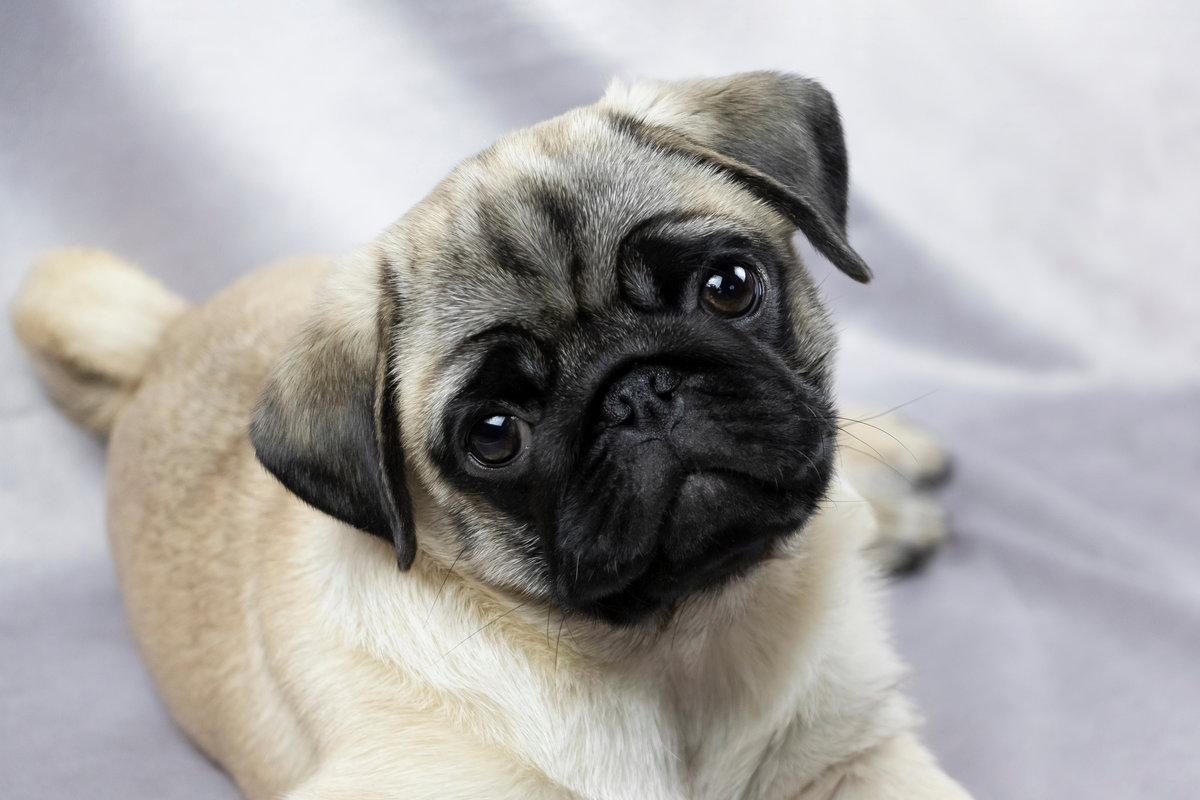
Your French Bulldog snores, snorts, and steals every heart in the room, but behind that adorable squished face is a body built for extra care. Flat-faced dogs, also called brachycephalic breeds, are among the most popular pets in the country. Yet, their unique anatomy creates health considerations that every owner should understand before trouble ever starts.
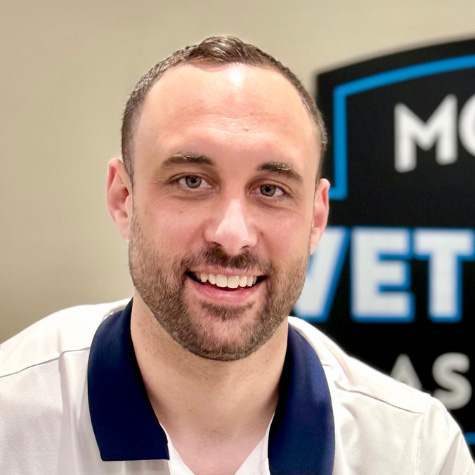
At Montclair Veterinary Associates, Dr. Cory Waxman and our team have been caring for pets across Northern NJ since 2011, bringing a genuine passion for helping dogs of all breeds stay healthy and comfortable. Whether your flat-faced companion needs a wellness check, an airway evaluation, or a long-term preventive plan, our full range of veterinary services is designed to meet their needs at every life stage.
What Makes Flat-Faced Breeds Unique?
Brachycephalic dogs include French Bulldogs, English Bulldogs, Pugs, Boston Terriers, Shih Tzus, Boxers, and Cavalier King Charles Spaniels, among others. Their shortened skull structure gives them their endearing appearance, but it also comes with real health considerations. According to the AVMA’s guidance on brachycephalic breeds, narrow nostrils, an elongated soft palate, and a narrowed trachea can all contribute to labored breathing, exercise intolerance, and a heightened risk of overheating.
Understanding these traits isn’t just helpful context; it’s the foundation for giving your dog the right preventive care from the start. Owners who recognize these tendencies early are far better positioned to catch concerns before they become serious, and that awareness starts with a relationship with a veterinary team that knows this type of dog well.
Breathing and Airway Health
The most common concern in flat-faced dogs is brachycephalic obstructive airway syndrome, or BOAS. Affected dogs may breathe loudly, tire quickly during play, or struggle in warm weather. While mild cases may be managed through lifestyle adjustments, more significant airway obstruction often benefits from surgical correction. Our team can evaluate your dog’s airway during a routine health examination and help you determine whether further intervention may be appropriate.
In moderate-to-severe cases, procedures to widen the nostrils or shorten the soft palate can significantly improve a dog’s quality of life. Our pet soft tissue surgery services include these types of corrective procedures, performed with close attention to the additional anesthetic risks associated with brachycephalic breeds.
Dental and Oral Health
Because flat-faced dogs have the same number of teeth as other breeds packed into a much smaller jaw, crowding is nearly universal. This leads to faster plaque buildup, higher rates of gum disease, and greater difficulty cleaning at home. Consistent professional care makes a real difference, and we encourage owners of brachycephalic breeds to prioritize pet dental care and cleaning as a core part of their dog’s health plan rather than an occasional extra. Catching dental disease early also reduces the risk of more invasive treatment down the road.
Skin Fold Care
Many brachycephalic breeds, especially Bulldogs and Pugs, have deep facial skin folds that trap moisture, debris, and bacteria. Without regular cleaning, these folds can become irritated or infected. At home, gently wiping the folds with a clean cloth several times a week helps prevent buildup. At your dog’s wellness visit, we can demonstrate proper technique and recommend products suited to your dog’s skin.
Special Considerations for Procedures
Flat-faced dogs face an elevated risk of anesthesia compared to other breeds. Their narrow airways make it harder to manage oxygen delivery during sedation, and recovery requires close monitoring. Before any planned procedure, including spaying and neutering, our team conducts a thorough pre-anesthetic evaluation to tailor protocols to each dog’s specific anatomy and health status. Temperature regulation is another area where brachycephalic breeds need extra attention, as they overheat more easily and benefit from walks during cooler parts of the day, access to fresh water, and air-conditioned rest periods in summer.
It is also worth noting that brachycephalic breeds may need more frequent wellness visits than average. Because their health can shift more quickly, staying current on bloodwork and regular check-ins gives our team the baseline data needed to catch changes early. Proactive monitoring is one of the most effective tools available for keeping flat-faced dogs comfortable and healthy over the long term.
Why Choose Montclair Veterinary Associates for Your Flat-Faced Dog
Dr. Waxman grew up in Bergen County and has been a lifelong animal lover, volunteering at shelters from a young age before earning his BS in biochemistry from Northwestern University and his veterinary degree from the University of Pennsylvania School of Veterinary Medicine. His background in zoo medicine and conservation work, including research at both Northwestern and UPenn, reflects a career built on a deep commitment to animal health. That same commitment shows up in every appointment, whether it’s a first wellness visit or a complex surgical consultation.
We take the time to understand your individual dog’s anatomy, medical history, and lifestyle so that every recommendation we make is grounded in their specific needs. If you have a flat-faced breed and want a care plan built around who they actually are, contact us to schedule an appointment today.