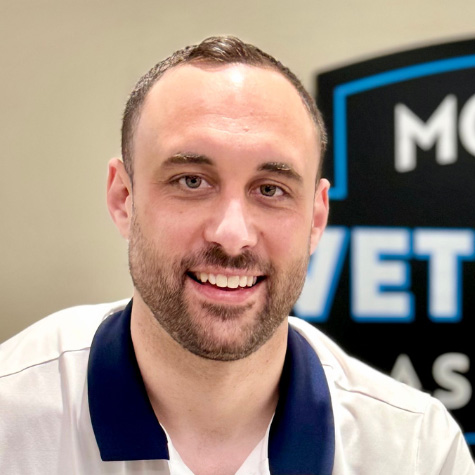
Medically Reviewed by Dr. Cory Waxman, DVM on September 22, 2026
Your new kitten’s first veterinary visit should happen within about a week of bringing them home, whether they came from a breeder, a shelter, or a friend’s litter. That early appointment establishes baseline health information and catches congenital issues while they are still easiest to treat.
At Montclair Veterinary Associates, we make your kitten’s first visit as smooth as possible while building the foundation for a lifetime of good health. Dr. Cory Waxman earned his degree in biochemistry from Northwestern University before graduating from the University of Pennsylvania School of Veterinary Medicine, and he has been caring for pets in Northern New Jersey since 2011.
When to Schedule the First Visit
The American Animal Hospital Association recommends scheduling a kitten’s first veterinary visit within the first week at home, or sooner if your kitten seems sick, is not eating, has diarrhea, is sneezing, or seems unusually quiet. Kittens adopted from a shelter typically arrive with some prior veterinary care, while kittens from a breeder or a private litter may be visiting a veterinarian for the very first time.
If you are considering spaying or neutering down the road, this first visit is also a good time to start that conversation, since timing depends on your kitten’s breed, size, and overall health.
Preparing for Your Kitten’s First Appointment
Preparation helps both you and your kitten have a positive experience. Gather any medical records from the breeder, shelter, or rescue organization showing which vaccines your kitten has already received and any health concerns that have been noted. If possible, bring a fresh stool sample in a sealed container, as parasite screening is typically part of the first visit.
Write down your questions before arriving at our office. New cat parents often forget important questions once the appointment begins, so a written list ensures you address everything. Note any unusual behaviors you have observed, including changes in appetite, litter box habits, or energy levels.
Transport your kitten in a secure carrier rather than holding them or using a leash. Even calm kittens can become frightened in new environments and may try to escape. Line the carrier with a familiar blanket or towel that smells like home, and bring treats your kitten enjoys to help create positive associations with veterinary visits.
What Happens During the Physical Exam
The comprehensive physical examination forms the core of your kitten’s first veterinary appointment. We begin by checking your kitten’s weight and body condition, establishing baseline measurements for tracking growth. Dr. Waxman examines your kitten systematically from head to tail, looking for any signs of congenital issues or health concerns.
Head and Face
We examine the eyes for proper development and check for signs of infection or discharge. The ears are inspected for ear mites, which commonly affect young kittens. We also look inside the mouth to assess gum health and check for cleft palate or dental abnormalities.
Heart and Lungs
Using a stethoscope, we listen for heart murmurs or irregular rhythms that may indicate congenital conditions. We also assess respiratory function to ensure your kitten’s lungs sound clear.
Abdomen and Overall Assessment
Palpating the abdomen allows us to check for hernias, enlarged organs, or abnormal masses, including the umbilical area, where some kittens develop hernias. We also observe body condition, coordination, and behavior to identify any developmental concerns, and check the skin and coat for fleas, ticks, ringworm, or other conditions that often respond well to early treatment.
Vaccination Schedule and Preventive Care
Kittens require a series of vaccines to protect them from serious diseases. Core vaccines include feline distemper (FVRCP) and rabies, while non-core vaccines like feline leukemia depend on your kitten’s lifestyle and risk factors. We create a personalized vaccination schedule based on your kitten’s age and health history, with most kittens needing vaccines every three to four weeks until about 16 weeks of age.
Beyond vaccines and parasite control, we talk about spaying or neutering timing, microchipping for permanent identification, and proper nutrition for growing kittens, since cat nutrition differs significantly from dog nutrition. As your kitten grows, pet insurance is also worth discussing early, since coverage is generally easier to secure and more affordable before any health conditions appear on record.
Understanding Normal Kitten Behavior
New cat parents often wonder which behaviors are normal and which signal problems. Playful biting and scratching, high energy levels, and curiosity about their environment typically fall within normal kitten behavior, and we can recommend strategies for redirecting these natural behaviors through environmental enrichment and interactive play.
Red flags that warrant immediate attention include lethargy, loss of appetite lasting more than a day, vomiting or diarrhea, difficulty breathing, discharge from the eyes or nose, or straining to urinate. Cats naturally hide illness as a survival instinct, so any noticeable change in behavior deserves evaluation rather than a wait-and-see approach.
Schedule Your Kitten’s First Visit at Montclair Veterinary Associates
Your kitten’s first visit establishes the foundation for ongoing care throughout their life. After this initial appointment, your kitten will need regular wellness exams to monitor growth, update vaccines, and catch any developing health issues early. Keep detailed records of all veterinary visits, including vaccine certificates and test results, since you will reference them often in your kitten’s first year.
Dr. Waxman has built a strong reputation among veterinary staff across Northern New Jersey through his dedication to providing excellent medical care. Montclair Veterinary Associates is ready to welcome your new kitten. Please reach out through our contact page to schedule your kitten’s first visit.
Frequently Asked Questions About Your Kitten’s First Vet Visit
How soon should I bring a new kitten to the vet?
Most kittens should be seen within the first week at home, or sooner if they show any signs of illness such as poor appetite, sneezing, or unusual lethargy.
What should I bring to my kitten’s first appointment?
Bring any medical records from the breeder or shelter, a fresh stool sample if possible, a secure carrier, and a written list of questions or behaviors you want to discuss.
Will my kitten need vaccines at the very first visit?
In most cases, yes, provided your kitten is old enough and healthy. We build a personalized vaccination schedule based on their age, health history, and any vaccines already received.
Is it normal for a kitten to act scared at the vet?
Yes. New sights, sounds, and smells can be overwhelming for a kitten. A familiar blanket in the carrier and a few favorite treats often help ease first-visit nerves.
When should I start thinking about spaying or neutering?
It is worth discussing at the first visit, since the right age depends on your kitten’s breed, size, and overall health. Dr. Waxman can recommend a timeline specific to your kitten.