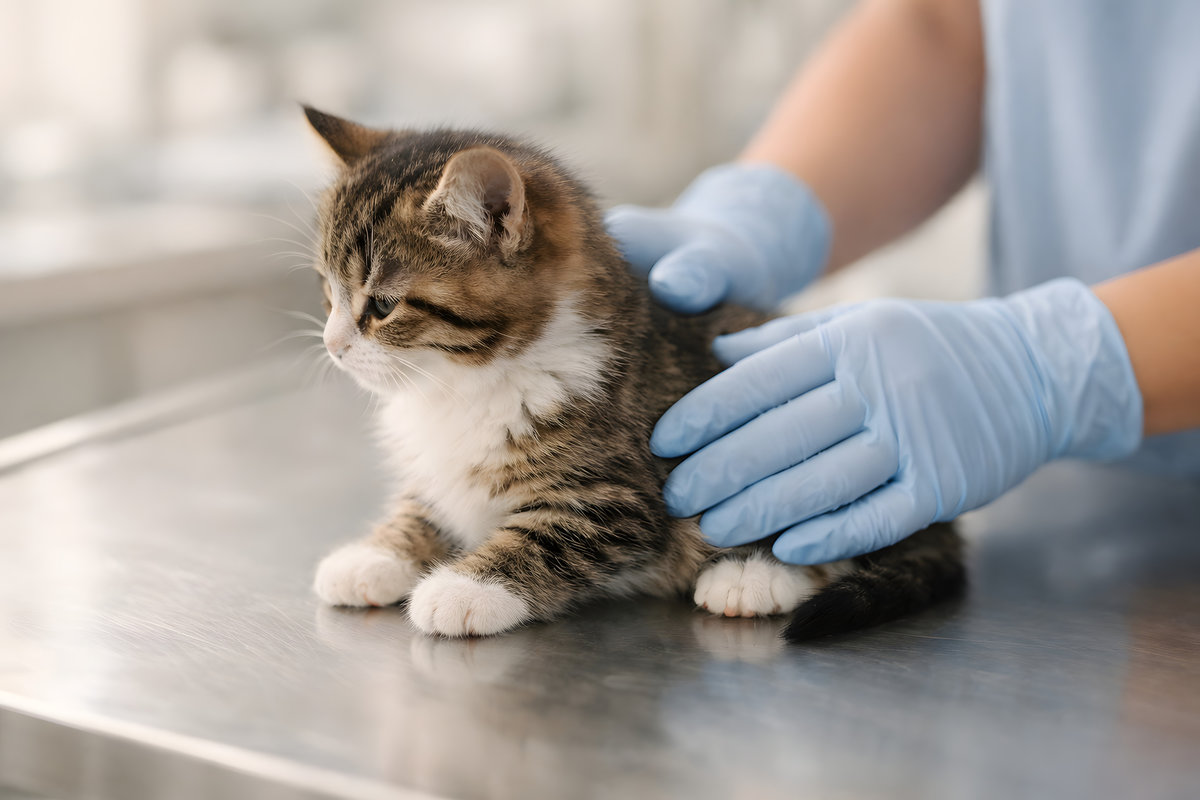
Choosing when to spay or neuter a puppy or kitten is rarely as simple as picking a birthday on the calendar. Breed, adult size, and overall health all play a role in finding the safest window, and waiting too long or acting too soon can carry its own tradeoffs. Pet owners often hear conflicting advice from friends, breeders, and even other veterinary offices, which can make an already important decision feel more confusing than it needs to be.
At Montclair Veterinary Associates, we help pet owners across Northern NJ sort through this decision with a plan built around their individual pet rather than a one-size-fits-all rule. Dr. Cory Waxman has spent years working with dogs and cats of every size and breed, and that experience shapes how we think about surgical timing, recovery, and long-term health.
Why Timing Matters More Than a Single Rule
Spaying and neutering remove the reproductive organs, which prevents unwanted litters and lowers the risk of certain cancers and infections later in life. The surgery itself is well understood, but the age at which it happens can influence how a pet’s body finishes growing and how smoothly recovery goes.
Cats tend to follow a more consistent timeline than dogs. According to the American Animal Hospital Association, cats can safely be spayed or neutered by 5 months of age, and doing so before that age significantly lowers the risk of mammary tumors in female cats while curbing marking and roaming in males.
Dogs are a different story, mainly because breed size significantly affects the calculation. Smaller breeds mature quickly and can typically be neutered around six months, or spayed before their first heat cycle. Larger breeds take longer to reach full growth, and many veterinarians now recommend waiting until a large-breed dog reaches 9 to 15 months before surgery, allowing bones and joints time to develop fully.
What Breed and Size Mean for Your Dog
Some of the breeds we see most often in our Montclair office are brachycephalic dogs like French Bulldogs, Pugs, and Boston Terriers. These pets often carry an increased risk during any anesthetic procedure because of their airway structure, so both surgical timing and anesthesia protocol deserve extra attention.
Small And Medium Breeds
Small and medium dogs generally reach skeletal maturity faster, which is why six months has remained a common benchmark for neutering males and why spaying females before their first heat is often recommended. Getting ahead of that first heat cycle can meaningfully reduce the odds of certain mammary tumors later on.
Large And Giant Breeds
Large and giant breeds benefit from a longer runway. Growth plates in larger dogs close later, and waiting until closer to a year (sometimes 15 months in some breeds) gives joints and connective tissue more time to develop before undergoing anesthesia and surgery.
A few factors we walk through with every pet owner include projected adult weight, breed-related health risks, behavior concerns, and any pre-existing conditions that could affect anesthesia. These considerations often include the following.
- Projected adult body weight and breed classification
- Any known joint or orthopedic concerns in the breed line
- Airway structure and anesthesia considerations for brachycephalic breeds
- Behavioral goals, such as reducing marking or roaming
Walking through these details together helps us land on a plan that fits your specific pet rather than a generic age cutoff.
What To Expect Before And After Surgery
Before recommending a surgery date, we run bloodwork and a physical exam to confirm your pet is a good candidate for anesthesia. This is especially important for brachycephalic breeds, senior pets, or any animal with an underlying health condition. Our in-house lab enables us to obtain these results quickly, allowing surgery to be scheduled without unnecessary delays.
Recovery for most pets takes about ten to fourteen days. Pets typically need a cone or recovery suit to prevent licking of the incision, along with restricted activity to allow the site to heal properly. Watching for swelling, discharge, or changes in appetite during this window helps catch any complications early.
Schedule A Consultation With Montclair Veterinary Associates
Deciding when to spay or neuter your dog or cat may feel overwhelming, but it does not have to be a guessing game. Dr. Waxman and our team consider your pet’s breed, size, and health history to develop a timing plan that supports a smooth surgery and a strong recovery, rather than defaulting to a single age for every animal that comes through our door.
If you are weighing the right time for your own pet, our team may be able to walk you through what to expect at every stage, from the pre-surgical exam to post-operative care. You can reach out via our contact form to schedule a visit and get a recommendation tailored to your pet.