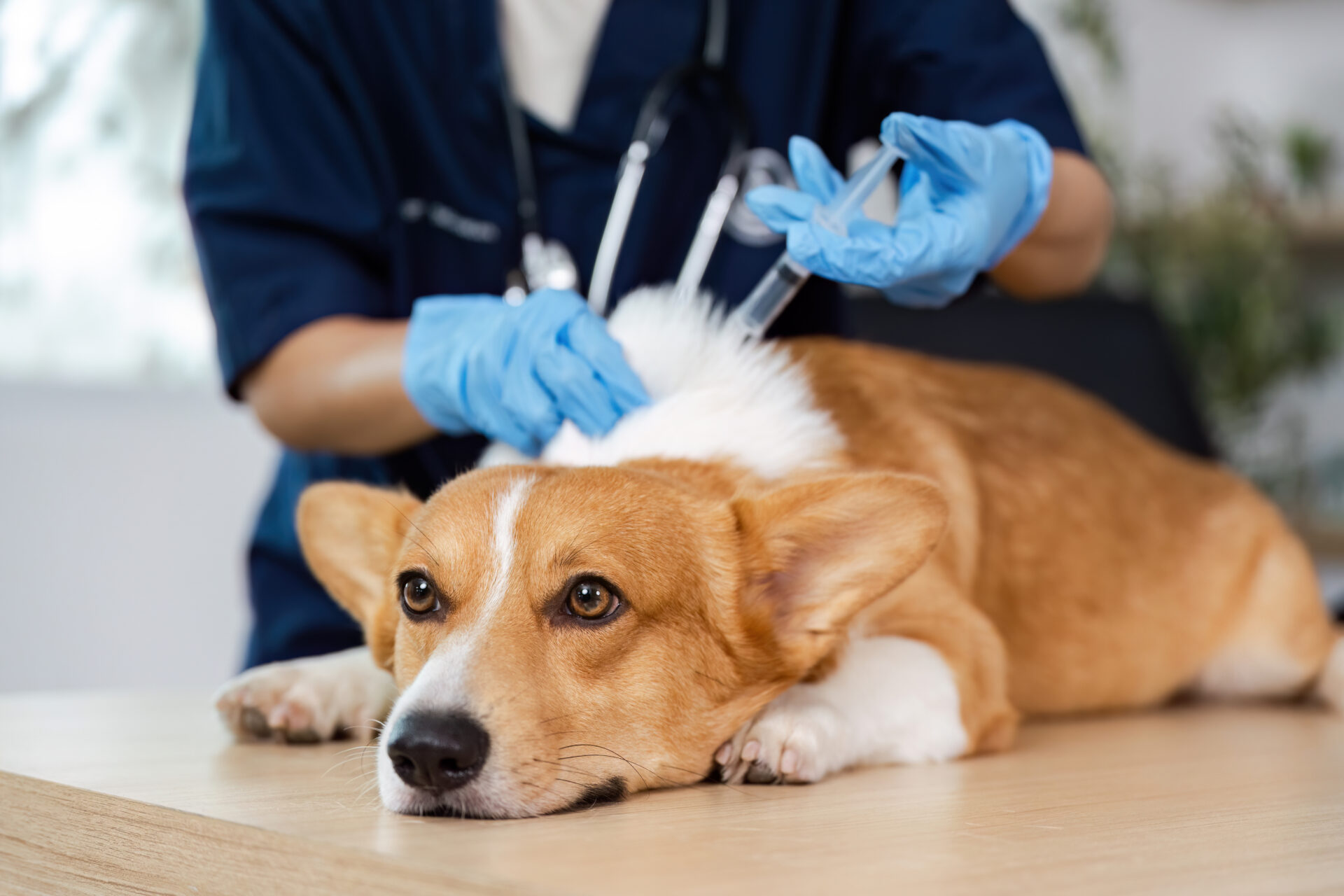
Vaccine appointments come with a lot of paperwork, quick decisions at the front desk, and often a list of options that can feel confusing in the moment. Which shots are truly necessary for a healthy pet, and which ones depend on how that pet actually lives day to day?
At Montclair Veterinary Associates, we sort every vaccine into one of two categories, core or non-core, so you always know why a specific shot is on your pet’s list. Understanding the difference helps you ask better questions at your next appointment and feel confident about the choices you are making for your dog or cat.
What Makes a Vaccine Essential?
Core vaccines protect against diseases that are widespread, highly contagious, or dangerous enough that nearly every pet benefits from protection, regardless of lifestyle. Rabies is the clearest example because it is required by New Jersey law and poses a real risk to both animals and people.
For dogs, the core group generally includes distemper, parvovirus, adenovirus, and rabies. For cats, it typically covers feline viral rhinotracheitis, calicivirus, panleukopenia, and rabies. These diseases spread easily, can be severe or fatal, and show up in pets of every background, which is why we recommend them as a baseline for nearly every patient we see.
What Makes a Vaccine Non-Essential?
Non-core vaccines are just as legitimate, but they are recommended based on a pet’s specific risk factors rather than given to every patient automatically. Lifestyle, geography, and exposure to other animals all play a role in whether one of these vaccines makes sense.
A few examples of non-core vaccines we discuss regularly with NJ pet owners include the following:
- Bordetella, often recommended for dogs who visit boarding facilities, dog parks, or daycare
- Lyme disease, which carries added weight in a tick-heavy state like New Jersey
- Canine influenza, useful for dogs with frequent exposure to other dogs
- Feline leukemia, generally reserved for cats who spend time outdoors or live with other cats
None of these are less important than core vaccines for the pets who actually need them. They are simply matched to a pet’s real-world exposure instead of applied across the board.
How We Decide What Your Pet Actually Needs
Every wellness exam includes a conversation about how your pet actually spends their time. A dog who hikes the Watchung Reservation on weekends has different exposure risks than an indoor cat in a Montclair apartment, and that distinction shapes which non-core vaccines we bring up.
According to the American Animal Hospital Association, vaccine protocols are meant to be personalized to each patient rather than treated as a fixed checklist, which is exactly how we approach every appointment. We also factor in age, prior vaccine history, and any health conditions that might change the recommendation.
If your pet ever needs urgent attention between scheduled visits, such as a reaction to a vaccine or a sudden change in behavior, our acute care team is available to help you quickly sort out next steps.
Keeping Records Straight Between Visits
Vaccine history matters just as much as the vaccines themselves, especially if your pet has moved between practices or you have adopted an animal with an incomplete record. We keep detailed notes on file so nothing gets duplicated or missed, and we can usually track down old records with a quick call to a previous provider.
Pairing vaccine records with permanent identification, such as microchipping, gives us one more way to confirm a pet’s history if paperwork ever goes missing. It also gives you peace of mind if your pet is ever lost and needs to be identified quickly.
Vaccinate With Confidence at Montclair Veterinary Associates
Dr. Cory Waxman has been treating pets throughout Northern NJ, guiding families through exactly this kind of decision, matching core protection with the non-core vaccines that make sense for each pet’s actual life. That approach means fewer unnecessary shots and more confidence that your pet is protected against the risks they are genuinely likely to face.
If you are unsure which vaccines your dog or cat is due for, our team can walk through your pet’s history and lifestyle together and build a plan that fits. You can contact our office to schedule a visit and have all your questions answered before the appointment even starts.