What Are Prescription Pet Medications?
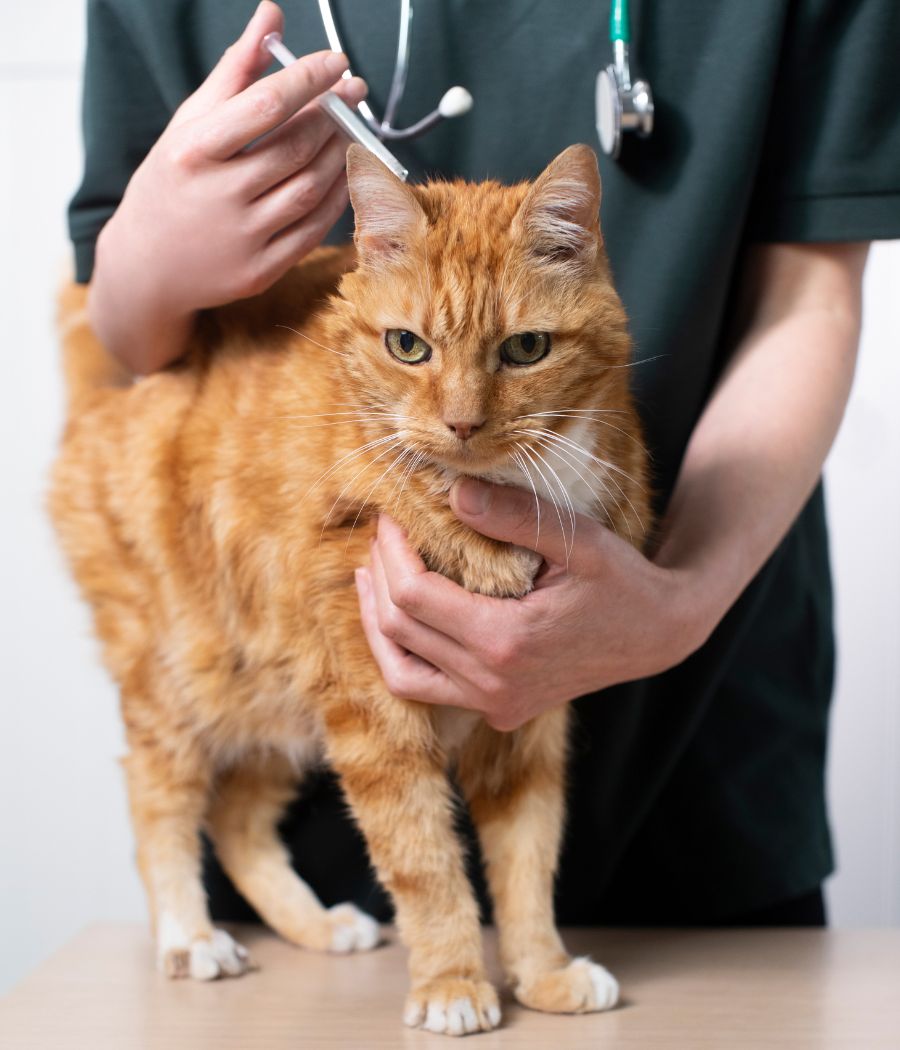
Prescription pet medications are drugs that require a licensed veterinarian’s authorization before they can be dispensed. This distinction exists for important reasons. According to the American Veterinary Medical Association, many prescription drugs are only effective for specific problems and may be harmful to a pet if used without a proper veterinary examination and diagnosis. The prescription process ensures that every medication is matched to a confirmed condition, appropriate for that specific animal’s health status, and monitored throughout treatment.
Common Types of Pet Prescriptions
Prescription medications for pets cover a wide range of conditions and treatment needs. Some of the most frequently prescribed categories include antibiotics and antifungals for infections, anti-inflammatory and pain management medications, heartworm preventatives, and medications for chronic conditions such as thyroid disease, diabetes, and heart conditions. These medications require veterinary oversight because dosages vary based on a pet’s weight, species, age, and overall health. Our team works through each of these factors before making any recommendation.
Why Getting Medications Through Your Vet Matters
Some pet owners assume they can substitute human medications or find the same drug more cheaply through an online retailer without a prescription. This can be dangerous. Many human medications, including common pain relievers like acetaminophen, are toxic to dogs and cats. Even when the drug itself is the same compound, the formulation, concentration, and appropriate dosing for pets differ significantly from what is developed for humans.
Getting your pet’s medications through Montclair Veterinary Associates means the prescription comes from someone who has directly examined your animal and reviewed their history. If your pet is managing chronic illnesses, such as kidney disease, diabetes, or hypothyroidism, consistent access to the right medications, combined with regular monitoring, is what keeps their condition stable over time.
Prescription Supplies: What We Carry
Beyond medications, we also carry a range of prescription-related supplies that support your pet’s treatment plan. This includes items such as syringes and administration tools for injectable medications, specialized wound care products, and topical treatments that require veterinary guidance to use safely.
Many pets on long-term treatments also benefit from prescription pet food alongside their medication regimen. If your pet has a condition that calls for both nutritional and pharmaceutical management, our team can discuss prescription pet food options that complement their current medications. These targeted diets are designed to work alongside treatment, not just as a standalone solution.
How Prescriptions Are Filled at Our Practice
When Dr. Waxman determines that a prescription medication is necessary, the process is designed to be as convenient as possible for you. We keep a variety of commonly prescribed medications in stock at our Montclair location. If a medication needs to be ordered or if you prefer to fill it through an outside pharmacy, we will provide you with the written prescription and help you understand your options.
Exam & Diagnosis
Dr. Waxman examines your pet and confirms the condition that requires treatment.
Prescription Issued
We issue a prescription and guide you through your options, in-house or outside pharmacy.
Medication Ready
Your pet’s medication is ready to go, with clear instructions on dosage and care.
Refills for ongoing prescriptions are tied to your pet’s routine health examinations and follow-up care schedule. For pets managing chronic conditions, periodic bloodwork and reassessment allow us to confirm that the current dosage is still appropriate and that the medication is producing the intended results. This is not a formality. It is a necessary safeguard to ensure your pet’s treatment evolves as their health does.
Prescription Pet Medications & Supplies at Montclair Veterinary Associates
Managing a pet’s health is a long-term commitment, and having reliable access to the medications they need is part of that. At Montclair Veterinary Associates, Dr. Waxman and our team bring years of hands-on experience and a genuine commitment to the animals we treat. Dr. Waxman grew up in Bergen County volunteering at animal shelters and earned his degree from the University of Pennsylvania School of Veterinary Medicine, giving him a strong clinical foundation that our clients and their pets benefit from daily. We take a thorough, individualized approach to every prescription we issue, considering each pet’s full health picture before making any recommendation. To learn more about our team and how we approach patient care, visit our about page.
If your pet has been prescribed a medication or you have questions about what they have been given, we are here to help. Whether this is the first time you are managing a prescription for your animal or you have been doing so for years, our team will take the time to walk you through everything you need to know. Contact our office today to schedule an appointment or ask a question about your pet’s current treatment plan.