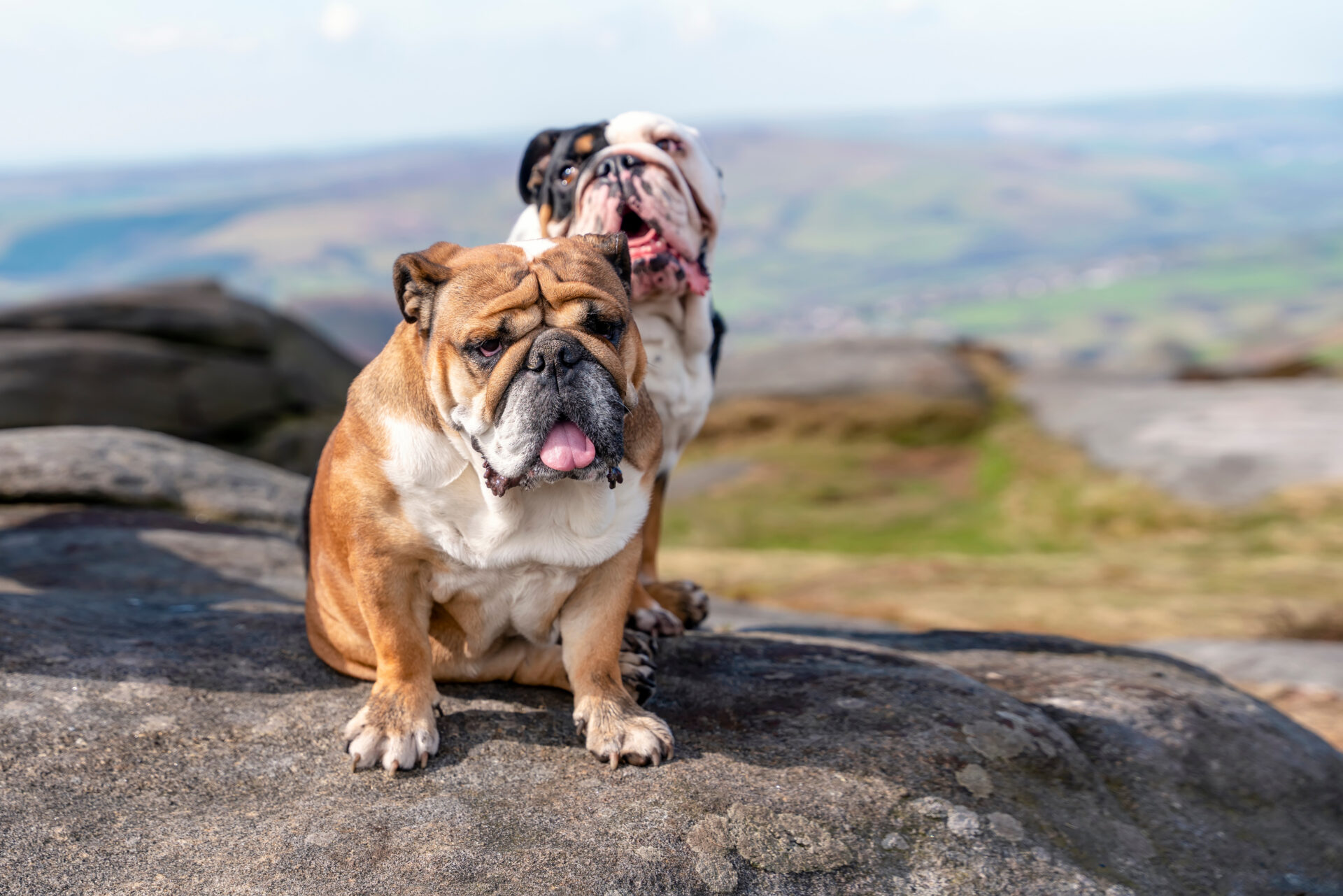
Your Bulldog waddles into the room, your Pug plops down after a short walk, and your Boston Terrier hesitates before hopping up on the couch. While these moments may seem endearing, they could also be early signs of an issue with their joints. Flat-faced breeds like Bulldogs, Pugs, and Boston Terriers are among the most beloved pets in Northern New Jersey, but their compact, stocky builds make them genetically prone to hip and knee problems that can quietly worsen over time without the right care.
At Montclair Veterinary Associates, Dr. Cory Waxman and our team understand how important it is to catch these issues early. Since 2011, we’ve been helping pet owners in the Montclair area navigate the unique health needs of their pets, and for flat-faced breeds, joint health is one of the most important areas to stay ahead of. Our routine health examinations are designed to identify subtle changes before they become serious problems.
Hip Dysplasia in Bulldogs and Pugs
Hip dysplasia occurs when the hip joint doesn’t develop properly, causing the ball of the femur to fit loosely in the hip socket rather than snugly. Over time, this abnormal fit leads to cartilage breakdown, joint instability, and chronic discomfort. According to the Orthopedic Foundation for Animals, the severity of hip dysplasia can be influenced by environmental factors, including caloric intake and exercise levels, meaning that how you manage your pet’s lifestyle plays a real role in how the condition progresses.
Which Flat-Faced Breeds Are Most at Risk?
English Bulldogs and Pugs are consistently among the breeds with the highest rates of hip dysplasia. Their low, wide stances and compact body structure put abnormal stress on hip joints from a young age. Boston Terriers, while slightly less affected, are still at elevated risk due to similar skeletal proportions. Signs that may point to hip discomfort include:
- Reluctance to climb stairs or jump onto furniture
- A “bunny-hopping” gait when running
- Stiffness after rest or exercise
- Reduced activity or preference for lying down
- Muscle loss around the hind legs over time
These signs can be easy to dismiss as normal breed behavior or aging, but they deserve attention at your next veterinary visit. The sooner a concern is identified, the more options are available for managing your pet’s comfort and quality of life.
Patellar Luxation: When the Kneecap Slips Out of Place
Patellar luxation, a condition where the kneecap slips out of its normal groove, is one of the most common joint issues seen in small and flat-faced breeds. French Bulldogs, which are closely related to Bulldogs in body structure, have been shown to have significantly higher odds of patellar luxation compared to mixed-breed dogs. Pugs and Boston Terriers share a similar skeletal alignment that makes them prone to the same issue. A dog with a luxating patella may suddenly lift one back leg mid-stride, give it a shake, and then walk normally again — a telltale movement that owners often notice first.
What Patellar Luxation Looks Like Day to Day
Early-stage patellar luxation can be subtle, and many dogs compensate well without showing obvious distress. You may notice your pet skipping a step, shaking out a back leg, or occasionally appearing stiff after playtime. As the condition progresses, the kneecap may slip more frequently, leading to persistent lameness and joint inflammation. Catching this early through physical examination allows for conservative management strategies that focus on keeping your dog comfortable and mobile without the need for more involved intervention.
The Role of Weight Management in Joint Health
For flat-faced breeds already predisposed to hip and knee problems, carrying extra weight can significantly accelerate joint wear. Research published in Frontiers in Veterinary Science found that overweight dogs were substantially more likely to develop joint disorders, with obesity nearly quadrupling the risk of cruciate ligament disease in some cases. The same principle applies across joint conditions; excess body weight means excess pressure on already-vulnerable hips and knees with every step your dog takes.
Weight management for Bulldogs, Pugs, and Boston Terriers involves more than just cutting back on treats. These breeds have slower metabolisms, love to eat, and have limited exercise tolerance due to their respiratory anatomy. A tailored nutrition plan, guided by your veterinarian, makes a real difference. At Montclair Veterinary Associates, we offer prescription pet food, prescription medications, and supplements to support joint health and weight maintenance in breeds that need extra guidance.
Why Early Detection Is Key
Many joint conditions in dogs are progressive, meaning the longer they go unaddressed, the more difficult they become to manage effectively. Routine wellness exams give your veterinarian a chance to evaluate your pet’s gait, palpate the hips and knees, and identify early warning signs before they become chronic sources of discomfort. Diagnostic tools, such as in-house X-rays, give us a clearer picture of joint development and help determine the best path forward for your pet. For older pets showing signs of joint changes, our geriatric pet care services are specifically designed to monitor and support aging bodies with the attention they deserve.
Starting these conversations early, ideally during puppyhood or at the first sign of behavioral change, gives your pet the best chance at a comfortable, active life.
Partner With Montclair Veterinary Associates for Your Pet’s Joint Health
Dr. Cory Waxman grew up in Bergen County with a deep love for animals, and that passion has guided his approach to patient care since graduating from the University of Pennsylvania School of Veterinary Medicine. At Montclair Veterinary Associates, we take time to understand each pet as an individual, including their breed-specific vulnerabilities and how to address them proactively. If you have a Bulldog, Pug, or Boston Terrier and you’ve noticed any changes in their movement or energy, we’re here to help.
Reach out through our contact form to schedule a wellness exam and let us take a closer look at how your pet is feeling, from the inside out.