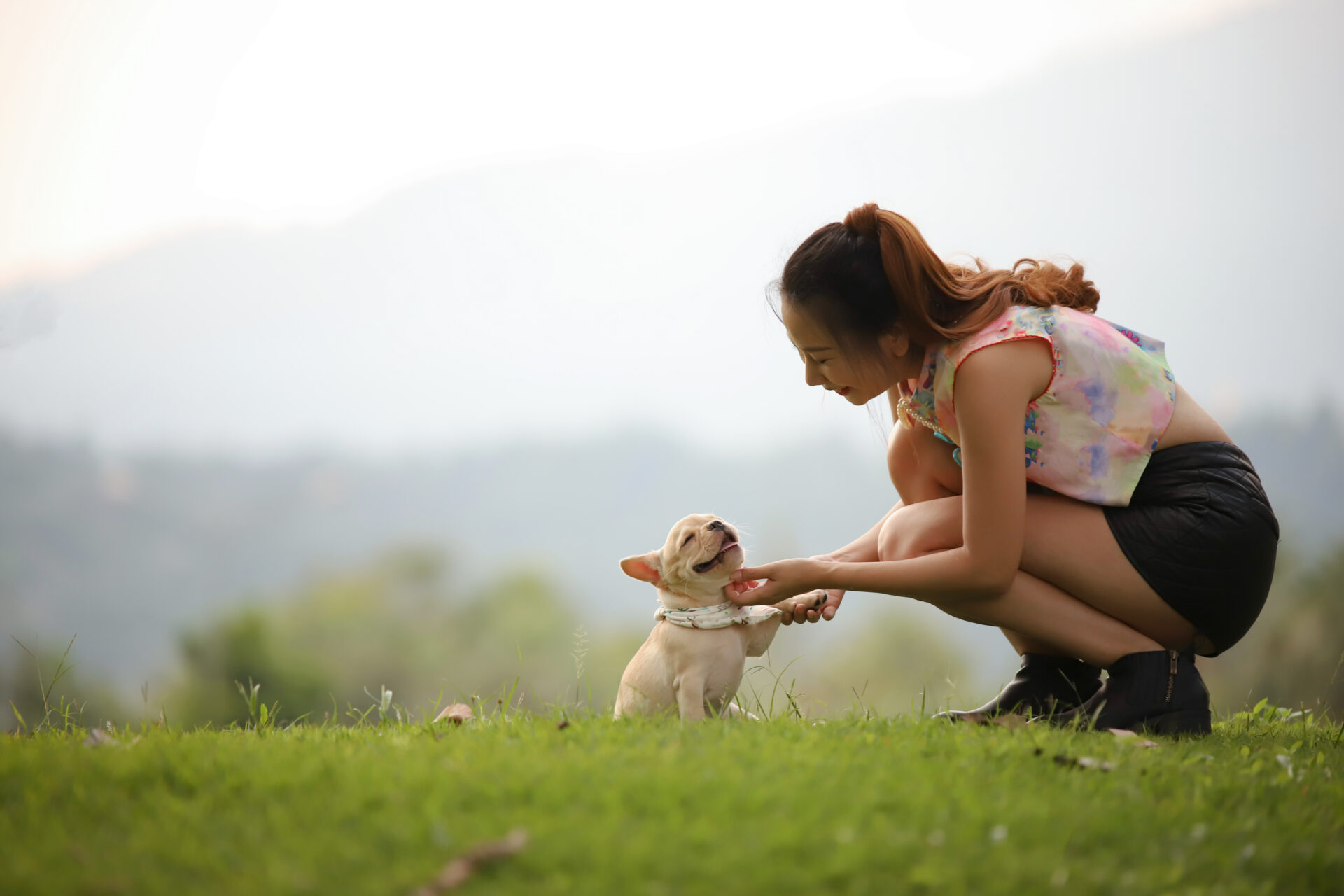
Your bulldog wants to play. Your pug is bouncing at the door. Your French Bulldog is giving you those irresistible eyes at the sight of the leash. But before you head out for a long run together, there is something every flat-faced pet owner needs to understand: the same physical features that make these dogs so endearing can also make vigorous exercise genuinely dangerous for them. Getting exercise right for a brachycephalic breed is not about limiting your pet’s joy; it is about protecting their health so they can enjoy many more walks, play sessions, and adventures with you for years to come.
At Montclair Veterinary Associates, we care for a large number of flat-faced breeds, and helping owners build safe, appropriate activity routines is one of the most important conversations we have. Led by Dr. Cory Waxman, a University of Pennsylvania School of Veterinary Medicine graduate who has been treating pets in Northern NJ for more than a decade, our team takes a comprehensive approach to brachycephalic care. Whether you have a Pug, a Boxer, a Boston Terrier, or a Shih Tzu, understanding your pet’s unique flat-faced dog health considerations will make all the difference.
Why Flat-Faced Pets Need a Different Approach to Exercise
Brachycephalic breeds are built differently, and that difference goes far deeper than their adorable squished faces. The shortened skull structure that gives these dogs their distinctive look also compresses their airways, narrowing the nostrils, elongating the soft palate, and reducing the overall diameter of the throat. According to the UC Davis School of Veterinary Medicine, brachycephalic dogs often have small nostrils, a narrow throat, and small airways, which can lead to respiratory issues, including airway obstruction.
This anatomy has a direct impact on how these pets handle physical activity. While most dogs pant to regulate their body temperature and push through exertion with relative ease, flat-faced breeds must work significantly harder to move the same amount of air. Strenuous exercise puts immediate stress on an already limited airway, raising the risk of overheating, labored breathing, and in serious cases, collapse. Recognizing the breathing issues common in flat-faced dogs is the first step toward building an activity plan that keeps your pet both fit and safe.
Safe and Effective Activities for Brachycephalic Breeds
The good news is that flat-faced pets absolutely can and should get regular exercise. The key is choosing the right kinds of activities and keeping a close eye on how your pet is responding throughout.
Short, Frequent Walks Over Long Outings
Rather than one long walk that pushes your dog to their limits, shorter and more frequent outings are far better suited to brachycephalic breeds. A brisk 10 to 15-minute walk two or three times a day accomplishes more than a single 45-minute trek that leaves your pet gasping. Keep the pace comfortable and watch closely for signs of labored breathing, excessive drooling, or slowing down, all of which indicate your pet needs a break.
Low-Impact Play and Mental Enrichment
Flat-faced breeds tend to thrive with low-impact indoor and outdoor play. Gentle tug games, sniff-based scavenger hunts, puzzle feeders, and short fetch sessions in a cool environment give these pets meaningful stimulation without overwhelming their airways. Mental enrichment is an especially underrated form of exercise for brachycephalic dogs. It tires them out in a healthy way without the respiratory strain that comes from vigorous physical exertion.
Conditions That Call for Extra Caution
Some factors increase the risk of exercise-related breathing problems, and being aware of them will help you make better day-to-day decisions.
Heat and humidity are the most immediate hazards. During summer months, even a short walk in the afternoon sun can quickly become dangerous for a flat-faced pet. On especially hot days, indoor play is the safest option. Obesity is another critical factor. Excess weight places additional pressure on an already restricted airway, and even modest weight management can significantly improve a brachycephalic pet’s exercise tolerance.
Knowing When to Stop and When to Call Us
Understanding signs that your pet is in pain or distress is essential for any flat-faced dog owner. During exercise, watch for heavy panting that does not settle quickly after stopping, a blue or purple tint to the gums or tongue, extreme fatigue, stumbling, or refusing to continue moving. These are not signs that your pet is being dramatic. They are signals that their airway is under serious stress and that activity needs to stop immediately. Move your pet to a cool, shaded area, offer water, and contact your veterinarian if symptoms do not resolve within a few minutes.
It is also a good idea to discuss your pet’s exercise routine at every wellness visit. Brachycephalic breeds can develop or worsen airway issues over time, and what worked safely at age two may need adjustment at age five.
Exercise Smart With Montclair Veterinary Associates
At Montclair Veterinary Associates, we understand that flat-faced breeds are not just pets; they are beloved members of your family with their own personalities, preferences, and needs. Dr. Waxman and our team are passionate about helping Montclair-area pet owners give their animals the healthiest, happiest lives possible, and that starts with practical guidance you can actually use.
If you have questions about your brachycephalic pet’s activity level, weight, or overall health, we are here to help. Reach out through our contact form to schedule an appointment, and let us work together to build a routine that keeps your flat-faced companion safe, active, and thriving.