Dogs and cats hide pain well, and a tooth infection can quietly take hold long before an owner notices anything is wrong. A pet may keep eating, playing, and greeting family members at the door while an infected tooth causes real discomfort underneath a calm exterior. Because the warning signs are often subtle, many tooth infections go unnoticed until they have already caused lasting damage to the gums, jaw, or surrounding bone.
We know how easy it is to miss these clues, which is why our team at Montclair Veterinary Associates walks pet owners through what to watch for and how our dental care services can catch problems early. Paying attention to small changes in your pet’s mouth, breath, or eating habits can make the difference between a simple fix and a much bigger procedure down the road.
How to Spot Early Signs of a Tooth Infection
Pets rarely show obvious signs of a toothache, but a few changes are worth watching closely. Bad breath that seems suddenly stronger, dropping food while eating, or pawing at the face can all point to a problem below the gumline. Regular checkups, like the ones covered during routine wellness exams, give us a chance to catch these issues before they progress.
Cats can be especially hard to read because they mask pain by instinct, so subtle shifts in appetite or grooming habits are sometimes the only outward clue that something is wrong. A pet who chews only on one side of the mouth or suddenly prefers soft food over kibble may be avoiding pressure on a sore tooth.
The following signs often show up first:
- Bad breath that does not go away
- Red, swollen, or bleeding gums
- Reluctance to chew or dropping food from the mouth
- Pawing at the face or rubbing the mouth on furniture
- Visible swelling under the eye or along the jaw
If your pet shows more than one of these signs at the same time, a dental exam can help confirm what is happening before symptoms get worse.
Why Tooth Infections Develop and Progress
Tooth infections usually start with plaque buildup along the gumline. Bacteria in the plaque irritate the gum tissue, and if it is not removed, the infection can spread toward the root of the tooth and into the surrounding bone. Toy breeds, senior pets, and animals with crowded teeth tend to face a higher risk because plaque collects more easily in tight spaces.
Veterinary research shows just how common this problem is. A study on periodontal disease in cats found that infection risk rises steadily with age, which is one reason we recommend more frequent dental checks for older pets. Left untreated, an infected tooth can also allow bacteria to enter the bloodstream, creating risks that reach beyond the mouth.
Consistent home care and professional exams work together to slow this process. Daily brushing, dental chews, and yearly cleanings all reduce the amount of plaque that has a chance to turn into a deeper infection.
How We Diagnose and Treat Dental Infections
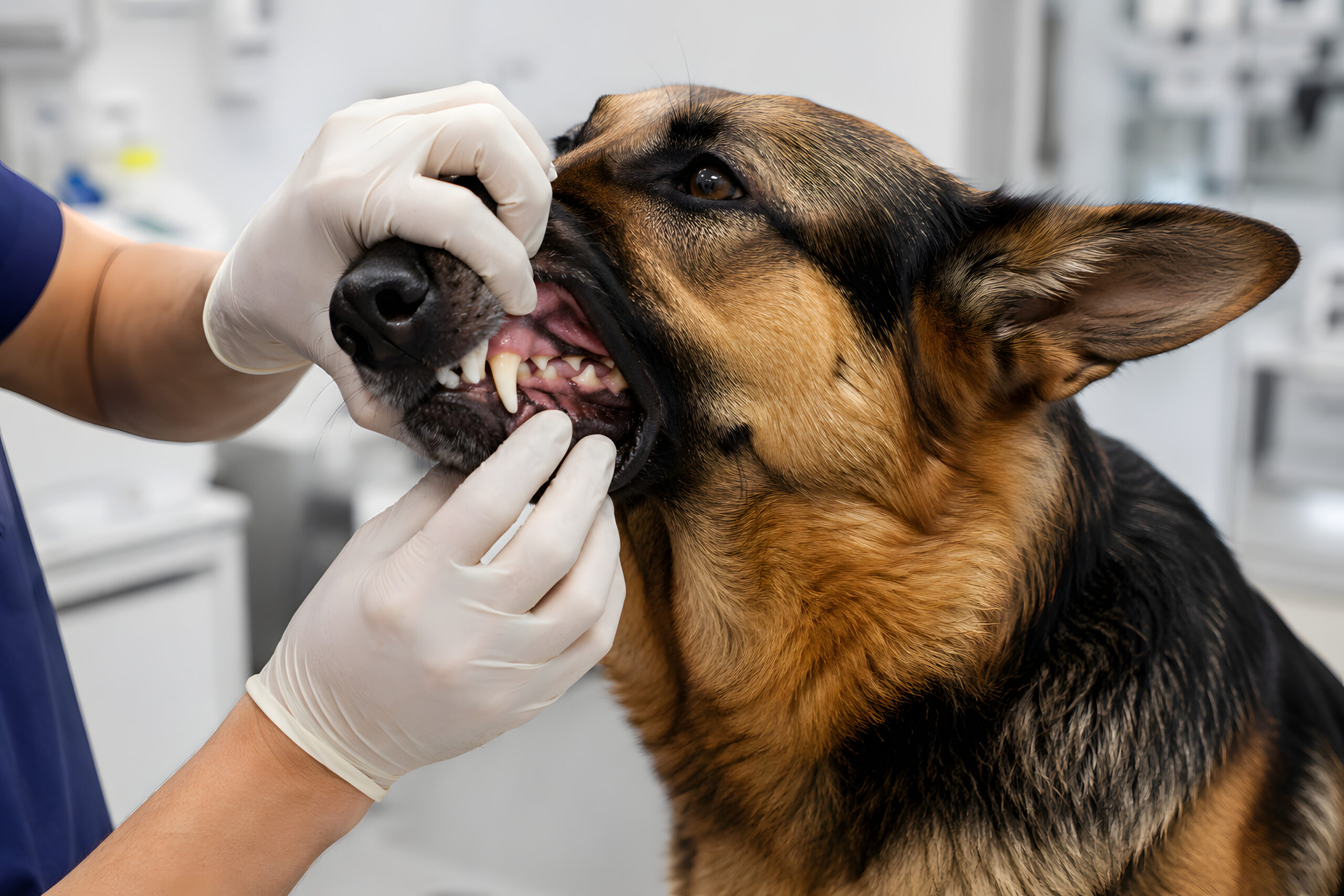
Diagnosing a tooth infection starts with a hands-on oral exam, but many infections hide below the surface where they cannot be seen without imaging. That is why dental X-rays play an important role in confirming how far an infection has spread and whether the tooth can be saved.
Cleaning and Treatment Options
A professional teeth cleaning removes plaque and tartar buildup that a toothbrush cannot reach on its own. In more advanced cases, an infected tooth may need to be extracted to stop the infection from spreading further and to relieve your pet’s discomfort right away.
For pet owners who want a closer look at what a professional cleaning involves, our dental care guide walks through what to expect before, during, and after the procedure. Catching the discomfort early also matters because pets often show pain in ways that are easy to miss, something we cover more in our post on signs your pet is in pain.
Montclair Veterinary Associates Is Here for Your Pet’s Dental Health
Montclair Veterinary Associates has treated pets across Northern New Jersey for more than a decade, and Dr. Cory Waxman brings a background that includes zoo medicine, conservation research, and years of hands-on care for dogs and cats throughout the area. Our team combines routine wellness checks, in-house diagnostics, and dental care under one roof, so your pet never has to be referred out for the basics of a healthy mouth. We take time to explain what we find during an exam and walk you through every option before moving forward with treatment.
If you have noticed any of the signs above, or if your pet has not had a dental check in a while, we are ready to help. Reach out through our contact form to schedule a visit for your pet.