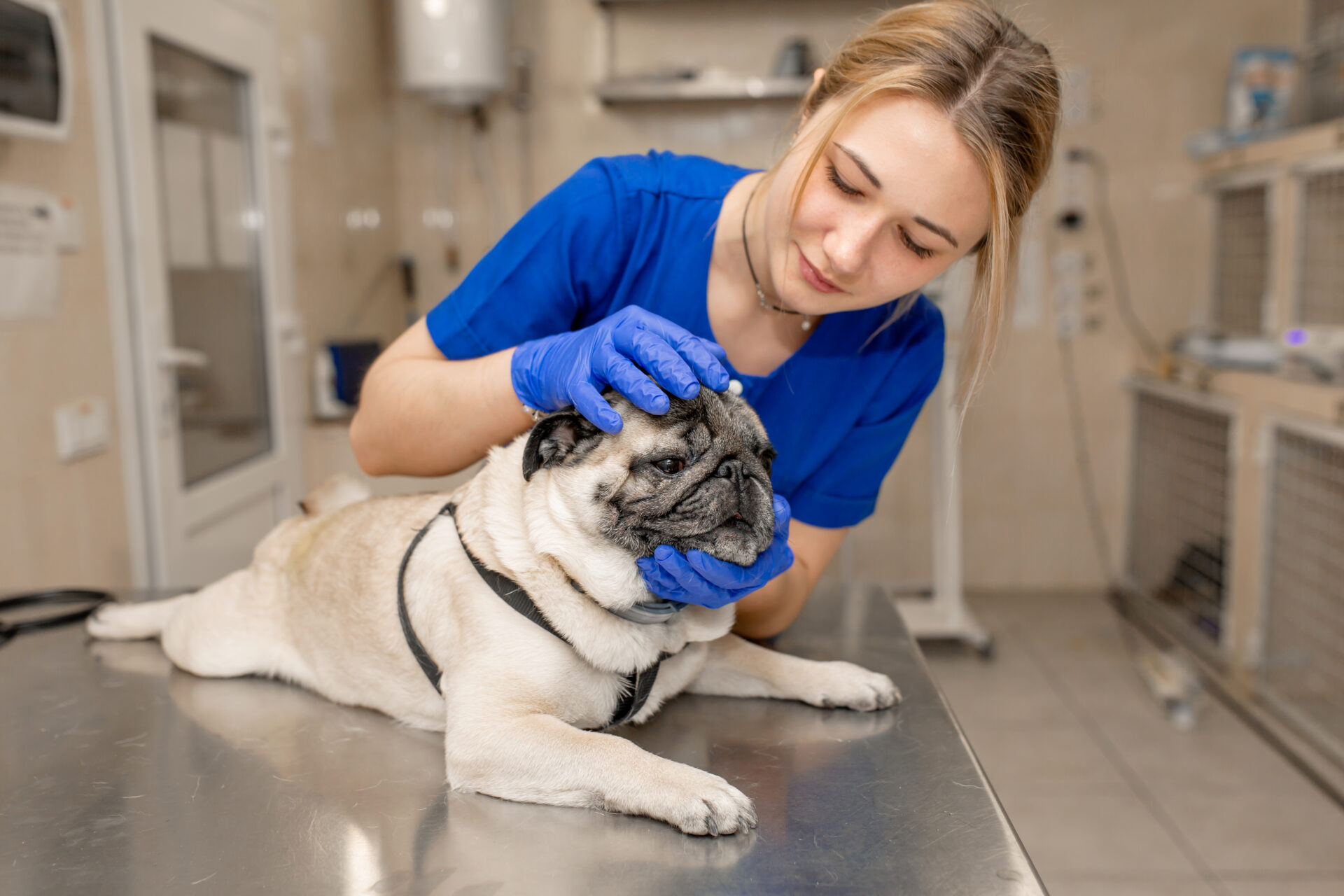
If your pet has a smooshed, adorable face, chances are they’re a brachycephalic breed. French Bulldogs, Pugs, English Bulldogs, Persian cats, and Shih Tzus all fall into this category. While their features make them irresistible, those same traits come with real medical considerations, especially when anesthesia is involved. Understanding those risks ahead of time can make a significant difference in how you prepare and what questions you ask before any procedure.
At Montclair Veterinary Associates, Dr. Cory Waxman and our team work closely with brachycephalic pet owners throughout Northern NJ, helping families navigate pet soft tissue surgery and other procedures that may require anesthesia. From routine dental cleanings to more involved surgeries, we believe informed pet owners are the best partners in care.
Why Do Flat-Faced Pets Face Higher Anesthesia Risks?
Brachycephalic pets have narrower airways, elongated soft palates, and often smaller nostrils than other breeds. These structural differences, which give them their signature look, also mean they have a harder time breathing efficiently under normal circumstances. When anesthesia is introduced, those challenges are amplified. The muscles that keep the airway open relax during sedation, and for flat-faced breeds, this can cause significant obstruction.
According to the American Veterinary Medical Association, brachycephalic syndrome affects a wide range of dog and cat breeds and can complicate everything from recovery to routine sedation. Pets with this condition require more attentive monitoring before, during, and after any anesthetic event.
Common Procedures That May Require Anesthesia
Many standard veterinary treatments require some level of sedation. Pet dental care and cleaning is one of the most common, and it’s also one that brachycephalic pets tend to need more frequently due to crowded teeth and increased oral health challenges. Other procedures that may involve anesthesia include spaying and neutering, soft tissue surgeries, and certain diagnostic imaging.
Several everyday treatments fall into this category, including:
- Thorough dental cleanings and tooth extractions
- Spay and neuter procedures
- Soft tissue surgeries, such as mass removals
- In-depth imaging or biopsies, requiring the pet to stay still
Knowing which of your pet’s upcoming appointments may involve sedation gives you time to prepare and have an informed conversation with your vet.
How to Prepare Your Brachycephalic Pet for Anesthesia
One of the most important things you can do before any procedure is to make sure your vet has a complete picture of your pet’s health history. This includes any prior breathing difficulties, previous reactions to anesthesia, and current medications. Pre-anesthetic bloodwork is especially valuable for flat-faced breeds, as it helps identify any underlying issues that could complicate sedation.
Bloodwork before a procedure provides the veterinary team with a baseline reading of your pet’s organ function, helping select the safest anesthetic protocol. For older brachycephalic pets, geriatric care considerations may further shape the approach, as aging animals may have additional cardiovascular or respiratory sensitivities.
Fasting your pet for the recommended period before surgery is also critical. For flat-faced breeds, regurgitation under anesthesia poses a higher risk because of their anatomy, making an empty stomach especially important.
What to Expect During Your Pet’s Recovery
Recovery is often the most critical phase for brachycephalic pets. Because they take longer to clear anesthesia and regain full airway control, they require close monitoring during the post-procedural period. Veterinary teams typically keep these pets on oxygen support longer than they do for other breeds and watch for signs of respiratory distress as they wake up.
At home, you should expect your pet to be groggy for several hours. Keep them in a cool, calm space, and avoid anything that could increase stress or excitement. Stress triggers heavy panting, which is harder for brachycephalic pets to manage when they’re still recovering. If you notice any labored breathing, bluish gums, or unusual lethargy beyond the first day, contact your vet right away.
Anesthesia Safety at Montclair Veterinary Associates
Dr. Waxman graduated from the University of Pennsylvania School of Veterinary Medicine and has been treating pets in Northern NJ since 2011. His experience working with a wide range of breeds means brachycephalic patients receive thoughtful, customized care every step of the way. We take pre-anesthetic assessment seriously, and our in-house laboratory and X-ray services allow us to gather the information we need quickly before any procedure begins.
If your flat-faced companion has an upcoming procedure or you have questions about anesthesia safety for your specific pet, we’re here to help. Reach out to our team through our contact form to schedule a consultation or discuss your pet’s needs before their appointment.