
Most pet owners never think about insurance until they’re sitting in a veterinary office facing an unexpected diagnosis and a bill they weren’t prepared for. Pet insurance works best when you enroll early, before health issues arise, before costs escalate, and before you’re forced to make medical decisions based on your wallet instead of your pet’s needs.
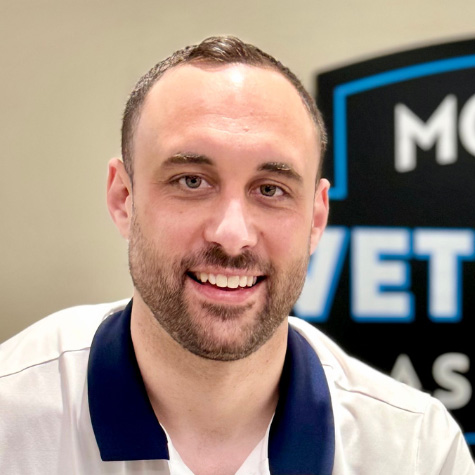
At Montclair Veterinary Associates, we believe informed pet owners are empowered pet owners. Led by Dr. Cory Waxman, a University of Pennsylvania School of Veterinary Medicine graduate with over a decade of experience treating pets in Northern NJ, our team regularly helps families navigate the financial realities of veterinary care. Whether you’re a new pet owner or reconsidering your current coverage, understanding how pet insurance works is one of the most proactive steps you can take, and it starts with prioritizing your pet’s routine veterinary care.
How Pet Insurance Actually Works
Pet insurance operates differently from human health insurance, and knowing the distinction matters. Most plans follow a reimbursement model: you pay the veterinary bill at the time of the visit, submit a claim, and receive reimbursement based on your coverage terms. Plans typically include a deductible, a co-pay percentage, and an annual benefit limit, all of which vary depending on the provider and the tier of coverage you select.
There are generally three types of plans available to pet owners. Accident-only plans cover injuries from unexpected events, such as broken bones or ingested objects. Accident-and-illness plans extend coverage to conditions such as infections, cancer, and diabetes, making them a strong fit for families seeking broader protection. Wellness add-ons can supplement either type of plan by helping offset the cost of annual preventive care and vaccinations. The American Veterinary Medical Association outlines key considerations every pet owner should review when evaluating pet health insurance options.
What Pet Insurance Typically Covers and What It Doesn’t
Understanding the scope of your policy is just as important as having one. Coverage can vary significantly between providers, which is why reading the fine print before enrolling matters.
Common Covered Expenses
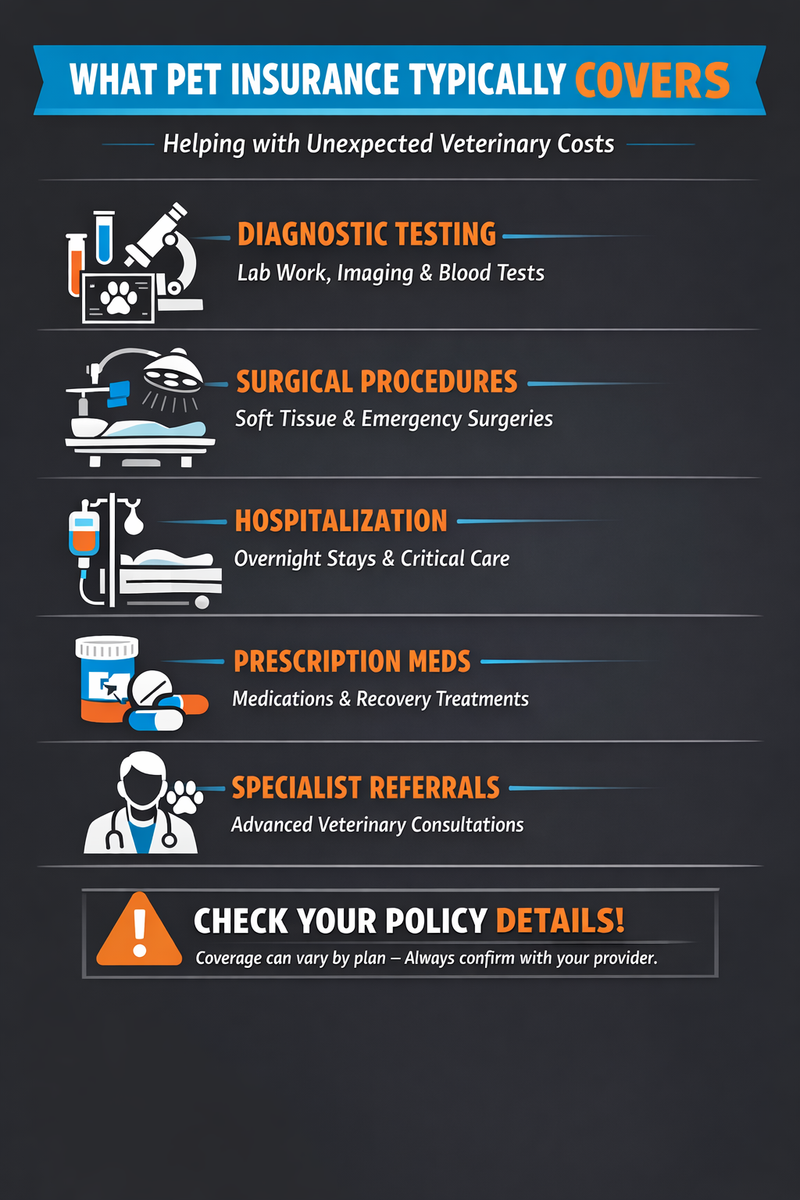
Most accident-and-illness policies are designed to help with the kinds of unexpected costs that can arise throughout a pet’s life. Here are several categories commonly included in coverage:
- Diagnostic testing: Lab work, imaging, and bloodwork used to identify illness or injury
- Surgical procedures: Including soft tissue surgeries that can cost several thousand dollars
- Hospitalization: Overnight stays and monitoring following procedures or serious illness
- Prescription medications: Treatment courses for infections, chronic conditions, and post-op recovery
- Specialist referrals: Consultations with board-certified veterinary specialists when advanced care is needed
Every policy is different, so always confirm with your provider what falls within your specific plan’s parameters before assuming coverage.
Common Exclusions to Know
Pre-existing conditions are the most significant exclusion across nearly all pet insurance plans, which is why enrolling your pet early—ideally when they are young and healthy—gives you the broadest possible coverage. Breed-specific conditions, elective procedures, and cosmetic treatments are also frequently excluded. Understanding these limitations upfront prevents surprises when you file a claim and helps you select a plan that fits your pet’s specific needs and health history.
When to Enroll and What to Consider
Timing is everything with pet insurance. Enrolling a puppy or kitten before any health concerns develop means a clean health record becomes the baseline, and future conditions are far more likely to be covered. Waiting until after a diagnosis often means the condition is classified as pre-existing and excluded from coverage moving forward.
When comparing plans, consider your pet’s breed, age, and any known predispositions to certain illnesses. Some breeds are more prone to chronic health conditions requiring ongoing management over the years. Factor in the total annual cost of premiums against your deductible and co-pay structure to understand your realistic out-of-pocket responsibility. It’s also worth asking whether your plan allows you to see any licensed veterinarian or restricts you to a network — and if your pet ever needs urgent attention, knowing how your plan handles acute care situations can make a meaningful difference in the decisions you make in the moment.
Talk to Montclair Veterinary Associates About Your Pet’s Coverage
Choosing pet insurance isn’t one-size-fits-all, but having the right plan in place can fundamentally change how you approach your pet’s health, giving you the confidence to pursue diagnostics and treatment without hesitation. Dr. Waxman and our team are happy to discuss what we see clinically and help you think through the kinds of care your pet may need over a lifetime. With a background in biochemistry from Northwestern University and veterinary training from UPenn, Dr. Waxman brings a uniquely thorough perspective to anticipating health needs across species and breeds.We want every pet in our care to receive the treatment they deserve, and we know financial preparedness plays a real role in making that possible. If you have questions about insurance, upcoming wellness visits, or anything else related to your pet’s health, we invite you to reach out through our online contact form. We’re here to help you plan ahead, not just respond to problems.