
Senior Pet Care
As pets age, they require specialized care to maintain their health and well-being. At Montclair Veterinary Associates, we offer comprehensive geriatric pet care in Montclair, NJ, tailored to senior pet’s unique needs.
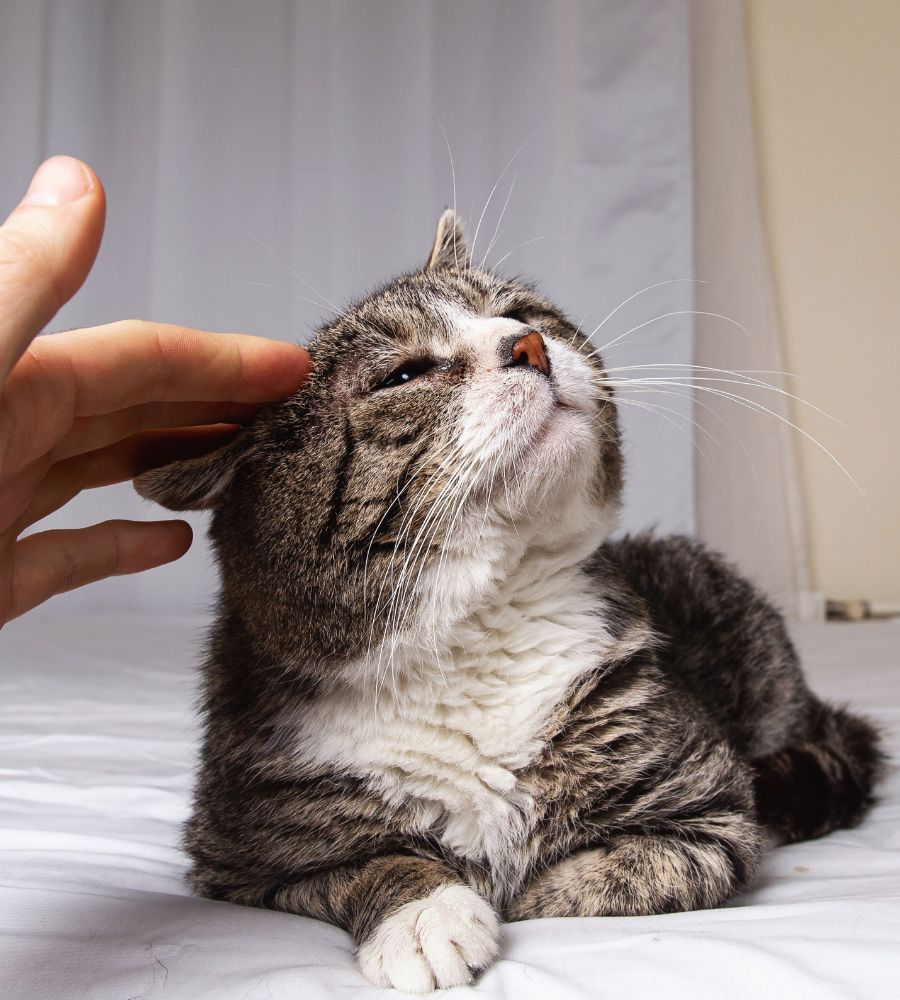
Geriatric Pet Care: Senior Cat & Dog Care
As your furry companion enters their golden years, their needs change dramatically, requiring specialized attention and care to maintain their health and happiness. Senior pets face unique challenges including arthritis, cognitive decline, organ dysfunction, and decreased mobility that can significantly impact their quality of life without proper veterinary guidance.
At Montclair Veterinary Associates, we understand the deep bond you share with your aging pet and provide comprehensive senior care services designed to help your companion thrive in their later years. Dr. Cory Waxman and our experienced team offer tailored wellness programs, advanced diagnostic capabilities, and compassionate treatment plans that address the specific health concerns affecting older dogs and cats.
Senior pet care requires a different approach than caring for younger dogs and cats. Our comprehensive geriatric care services help your furry companion maintain quality of life throughout their golden years. Learn more about our full range of veterinary services designed to support pets at every life stage.
Common Senior Pet Health Conditions
Senior dogs develop various health issues that require immediate attention and ongoing management. Kidney disease and kidney problems rank among the most serious concerns for aging dogs. Declining kidney function reduces the body’s ability to filter waste products, leading to increased thirst, frequent urination, and eventual kidney failure if left unmanaged. Liver disease also becomes more prevalent as dogs age, causing weight loss, decreased appetite, and jaundice. Blood work performed during senior wellness exams reveals declining kidney function and liver disease before obvious symptoms appear.
Dental disease affects nearly all older pets to some degree. Aging dogs accumulate tartar and plaque that leads to periodontal disease, tooth loss, and painful infections. Dental issues don’t just affect the mouth—bacteria from infected gums enter the bloodstream, potentially damaging the heart, kidneys, and liver. Our pet dental care and cleaning services provide safe, thorough treatment for senior pets. Thyroid disease, skin tumors, and cognitive dysfunction also become more frequent as pets age, requiring regular veterinary examination to detect early signs.
When Dogs and Cats Reach Senior Status?
Determining when your pet enters their senior years depends on several factors including size and breed. Small dogs typically reach senior status around seven years of age, while larger breed dogs may be considered seniors as early as five or six years old. Giant breed dogs often show signs of aging even earlier. Cats generally reach senior status around seven years old, with most cats considered geriatric by age 11. The size difference matters because larger dogs age faster than smaller ones, experiencing earlier onset of age-related health issues.
Your dog’s body changes significantly as they transition into their senior years. The aging process affects every system, from joints that once moved easily to organs that must work harder to maintain normal function. Senior dogs often develop reduced mobility, making activities like climbing stairs or jumping onto furniture more challenging. Geriatric cats face their own unique challenges as beloved pets age. Thyroid disease becomes increasingly common in older cats, while kidney disease represents another frequent concern affecting many elderly pets.
Age: Human Equivalents for Older Pets
| Cat years | Human years |
| 7 | 45 |
| 10 | 58 |
| 15 | 75 |
| 20 | 98 |
| Dog years | Human years (by dog size*) |
| 7 | Small – Medium: 44-47 Large – Very large: 50-56 |
| 10 | Small – Medium: 56-60 Large – Very large: 66-78 |
| 15 | Small – Medium: 76-83 Large – Very large: 93-115 |
| 20 | Small – Medium: 96-105 Large – Very large: 120 |
| *Small: 0-20 lbs; Medium: 21-50 lbs; Large: 51-90 lbs; Very large: >90 lbs The oldest recorded age of a cat is 38 years. The oldest recorded age of a dog is 31 years. | |
What kinds of health problems can affect older pets?
Geriatric pets can develop many of the same problems seen in older people, such as:
- Cancer
- Heart disease
- Kidney/urinary tract disease
- Liver disease
- Diabetes
- Joint or bone disease
- Senility
- Weakness
Comprehensive Senior Pet Examinations
Senior pet exams differ significantly from routine checkups for younger pets. A thorough physical exam for older pets takes longer and covers more ground. Your veterinarian will examine your senior dog or cat more carefully, looking for subtle changes that might indicate developing problems. This in-depth examination includes checking for lumps under the skin, assessing joint range of motion, listening carefully to heart and lung sounds, and examining the abdomen for organ enlargement.
Blood work forms the foundation of senior pet care. Complete blood counts reveal anemia, infection, or blood clotting problems, while chemistry panels assess kidney function, liver enzymes, blood sugar, and electrolyte balance. X-rays provide valuable information about your senior pet’s internal health, revealing heart size, lung changes, and potential tumors. Abdominal radiographs show organ size and help diagnose conditions like enlarged liver or kidney stones. Our pet in-house laboratory and X-rays provide quick results for faster diagnosis and treatment.
Managing Reduced Mobility and Joint Health
Reduced mobility affects most aging dogs as arthritis develops in hips, knees, elbows, and spine. Pets with arthritis move stiffly, especially after resting. They may struggle with stairs, hesitate to jump, or walk abnormally. While arthritis cannot be cured, numerous treatments help manage pain and maintain mobility throughout your pet’s senior years.
Joint supplements containing glucosamine and omega-3 fatty acids support cartilage health and reduce inflammation. Pain medications allow arthritic pets to move more comfortably, though these require careful monitoring in senior pets. Laser therapy offers non-invasive pain relief without medications. Weight management proves critical for arthritic pets, as every extra pound places additional stress on painful joints. Consider our prescription pet food options formulated specifically for senior pets with joint problems.
Environmental Modifications for Elderly Pets
Simple home modifications greatly improve life for senior pets dealing with mobility challenges and sensory changes. Litter boxes require special consideration for geriatric cats—arthritic cats struggle to climb into high-sided boxes. Providing low-entry litter boxes makes elimination easier for stiff joints. Place multiple litter boxes throughout your home so cats don’t need to navigate stairs or travel long distances.
Food and water bowls should be placed at multiple locations for easy access. Older pets may not want to walk far to eat or drink, particularly if stairs are involved. Ensure fresh water is always available, as many senior pets develop increased thirst due to kidney disease. Ramps and steps help pets with reduced mobility access favorite spots. Non-slip rugs on hardwood floors help senior dogs walk safely. Long toenails complicate mobility for aging dogs, so regular nail trims keep feet in proper position and improve traction.
Keeping Senior Pets Mentally Active and Engaged
Mental stimulation remains as important as physical exercise for elderly pets. Cognitive decline affects many senior dogs and cats, but environmental enrichment may slow this process. Keeping your pet mentally active improves overall well being and quality of life during their golden years.
Interactive feeding makes mealtime mentally stimulating. Puzzle feeders and food-dispensing toys engage your senior pet’s brain while slowing eating. Training doesn’t stop when pets reach senior status – older dogs can learn new tricks, and the process keeps their minds sharp. Sensory enrichment through new smells, sounds, and experiences stimulates the brain. Social interaction supports mental health in elderly pets, though some older pets become less tolerant and prefer calmer companionship.
Preventive Measures and Parasite Control for Older Pets
Senior pets need continued protection from preventable diseases and parasites. Older pets remain vulnerable to infections and may face worse outcomes than younger dogs and cats. Parasite control continues throughout your pet’s entire life. Monthly preventatives protect senior pets from heartworm disease, intestinal parasites, fleas, and ticks. Learn more about our year-round parasite prevention recommendations.
Vaccination schedules may change as pets age, and dental care becomes even more critical for senior pets. Regular wellness exams allow early detection of health issues before they become serious. Most veterinarians recommend twice-yearly checkups for senior pets, with exams every three to four months for geriatric pets with existing health conditions. Early signs of disease often appear subtle to pet owners but become obvious to trained veterinarians during physical exams.
I know my pet is getting older. How do I help them stay happy and healthy for as long as possible?
Talk to your veterinarian about how to care for your older pet and be prepared for possible age-related health issues. Senior pets require increased attention, including more frequent visits to the veterinarian, possible changes in diet, and, in some cases, alterations to their home environment.
Here are some basic considerations when caring for older pets:
Older/Senior Pet Care Considerations
| Area of concern | Description |
| Increased veterinary care | Geriatric pets should have semi-annual veterinary visits instead of annual visits so signs of illness or other problems can be detected early and treated. Senior pet exams are similar to those for younger pets, but are more in-depth, and may include dental care, possible blood work, and specific checks for physical signs of diseases that are more likely in older pets. |
| Diet and nutrition | Geriatric pets often need foods that are more readily digested and have different calorie levels, ingredients, and anti-aging nutrients. |
| Weight control | Weight gain in geriatric dogs increases the risk of health problems, whereas weight loss is a greater concern for geriatric cats. |
| Parasite control | Older pets’ immune systems are not as healthy as those of younger animals; as a result, they can’t fight off diseases or heal as fast as younger pets. |
| Maintaining mobility | As with older people, keeping older pets mobile through appropriate exercise helps keep them healthier and more mobile. |
| Vaccination | Your pet’s vaccination needs may change with age. Talk to your veterinarian about a vaccination program for your geriatric pet. |
| Mental health | Pets can show signs of senility. Stimulating them through interactions can help keep them mentally active. If any changes in your pet’s behavior are noticed, please consult your veterinarian. |
| Environmental considerations | Older pets may need changes in their lifestyle, such as sleeping areas to avoid stairs, more time indoors, etc. Disabled pets have special needs which can be discussed with your veterinarian. |
| Reproductive diseases | Non-neutered/non-spayed geriatric pets are at higher risk of mammary, testicular, and prostate cancers. |
My older pet is exhibiting changes in behavior. What's going on?
Before any medical signs become apparent, behavioral changes can serve as important indicators that something is changing in an older pet due to medical reasons or other factors. As your pet’s owner, you serve a critical role in detecting early signs of disease because you interact and care for your pet on a daily basis and are familiar with your pet’s behavior and routines. If your pet is showing any change in behavior or other warning signs of disease, contact your veterinarian and provide them with a list of the changes you have observed in your pet. Sometimes, the changes may seem contradictory, such as an older pet that has symptoms of hearing loss but also seems more sensitive to strange sounds.
Possible Behavior Changes in Older Pets:
- Increased reaction to sounds
- Increased vocalization
- Confusion
- Disorientation
- Decreased interaction w/humans
- Increased irritability
- Decreased response to commands
- Increased aggressive/protective behavior
- Increased anxiety
- House soiling
- Decreased self-hygiene/grooming
- Repetitive activity
- Increased wandering
- Change in sleep cycles
Is my pet becoming senile?
Possibly. Once any underlying or other disease causes have been ruled out, there is a chance your pet may be experiencing cognitive dysfunction. Studies conducted in the early 1990s were the first to identify brain changes in older dogs that were similar to brain changes seen in humans with Alzheimer’s disease. Laboratory tests were also developed in the 1990s to detect learning and memory deficits in older dogs. Recently, these studies have started on younger dogs in order to fully understand the effect of aging on the canine brain. Similar studies in young and older cats are also ongoing.
While researchers are still not able to identify any genetic cause of why certain animals develop cognitive dysfunction, there are drugs and specific diets available that can help manage cognitive dysfunction in dogs. If you think your pet is becoming senile, discuss it with your veterinarian.
Quality of Life Considerations
The signs you might see will vary depending on the disease or problem affecting your pet, and some symptoms can appear as the result of more than one problem. As the pet’s owner, you can provide your veterinarian with valuable information that can help them determine what is going on with your pet.
Common Warning Signs of Disease in Older Pets
Kidney Disease
- Decreased appetite
- Increased thirst
- Increased urination
- Decreased or no urination
- Poor hair coat
- Vomiting
- Sore mouth
Urinary Tract Disease
- Increased urination/spotting or “accidents” in the house
- Straining to urinate
- Blood in urine
- Weakness
Heart Disease
- Coughing
- Difficulty breathing
- Decreased tolerance of exercise
- Decreased appetite
- Vomiting
When should we euthanize a pet? How will we know it’s the right time?
This can be an incredibly difficult question for both the owner and the veterinarian, and it is often a very tough decision to make. Sometimes, euthanasia is obviously the best thing to do for your pet. At other times, however, it can be less clear. An open discussion with your veterinarian, including an honest evaluation of your pet’s quality of life, should help you make the decision.
One way to determine if your aging pet is still enjoying life and can remain with us a little longer is by using a “Quality of Life” scale to determine if the animal’s basic needs are being met. This scale can be very helpful for the veterinarian and pet owner when deciding what is best for your pet. In this scale, pets are scored on a scale of 1 through 10 in each category, with 10 being the highest score for quality of life. Again, only an honest evaluation of each category will help with the decision.
Quality of Life (HHHHHMM Scale)
| Score | Criterion |
| 0-10 | HURT: Adequate pain control (including breathing ability) |
| 0-10 | HUNGER: Is the pet eating enough? Does the pet require hand-feeding or a feeding tube? |
| 0-10 | HYDRATION: Is the pet dehydrated? Does it need subcutaneous fluids? |
| 0-10 | HYGIENE: The pet needs to be brushed and cleaned, especially after elimination. |
| 0-10 | HAPPINESS: Does the pet express joy/interest? Do they respond to their environment? Does the pet show signs of boredom/loneliness/anxiety/fear? |
| 0-10 | MOBILITY: Can the pet get up without assistance? Does the pet want to go for a walk? Is the pet experiencing seizures/stumbling? |
| 0-10 | MORE GOOD THAN BAD: When bad days start to outnumber good days, the pet’s quality of life becomes compromised and euthanasia needs to be considered. |
| Total | A total of 35 points is considered acceptable for a quality of life score. |
Schedule Your Senior Pet's Wellness Examination
Montclair Veterinary Associates is committed to helping your senior pet enjoy their golden years with dignity, comfort, and excellent health. Dr. Waxman has been treating pets in Northern NJ since 2011 and understands the unique challenges facing aging animals and their families. Our compassionate approach to senior pet care focuses on maintaining quality of life while managing age-related health conditions through evidence-based treatment protocols.
Let our veterinarian examine your pet regularly to catch issues early and adapt care to their changing needs. Don’t wait for symptoms to appear before scheduling your senior pet’s wellness examination. Early intervention and preventive care can add years of comfort and happiness to your companion’s life. Call Montclair Veterinary Associates at 973-321-7229 or schedule an appointment online to discuss your senior pet’s specific needs with our experienced veterinary team.
Frequently Asked Questions about Senior Pet Care in Montclair, NJ
When should pet owners start scheduling senior pet exams?
Pet owners should begin senior wellness visits based on pet size. Small dogs and cats should start around age seven, while larger breed dogs should begin at age five or six. These twice-yearly exams include thorough physical examinations, blood work to check kidney function and liver enzymes, and screening for common conditions affecting elderly pets. Early detection allows for better management and improved quality of life.
How do older pets show signs of age-related health conditions?
Older pets display various symptoms, including increased thirst and urination (indicating kidney problems or thyroid disease), weight loss, behavioral changes like confusion, reduced mobility, and walking abnormally. You might notice accidents indoors, matted fur that can hide skin tumors, bad breath from dental disease, or changes in appetite. Any change from your pet’s normal behavior deserves veterinary attention, as elderly pets often hide pain until conditions become advanced.
What makes senior pet exams different from routine checkups for younger pets?
Senior pet exams are more comprehensive and in-depth. The physical exam takes longer, always includes blood work and urinalysis, and may include X-rays to evaluate organs and joints. The veterinary team spends more time discussing changing needs, including diet, pain management, and environmental adaptations. These appointments occur twice yearly because health issues in elderly pets can develop rapidly.
Are there special considerations for larger breed dogs as they age?
Large breed dogs are considered seniors by age five to six, much younger than small dogs. They experience an earlier onset of arthritis and joint problems, face higher cancer risks, and require more expensive treatments based on their size. Weight management becomes particularly important as excess pounds dramatically worsen joint problems. Despite shorter lifespans, large-breed dogs receiving appropriate senior care can maintain an excellent quality of life.
How can pet owners support the mental health of elderly pets?
Provide puzzle feeders, interactive toys, and short training sessions to keep pets mentally active. Maintain consistent daily routines while introducing controlled novelty. Monitor for behavioral changes like increased anxiety or altered sleep patterns, indicating cognitive dysfunction. Environmental modifications like consistent furniture placement and easy access to water bowls reduce confusion. Some pets benefit from medications or supplements for cognitive support.