Hearing that your pet needs anesthesia can feel unsettling, but for many routine and necessary veterinary procedures, it is the safest and most humane option available. Anesthesia allows veterinarians to perform detailed, precise work without causing pain or distress to an animal who cannot stay still on command or understand what is happening. Knowing which procedures require it and why can make the experience far less intimidating.
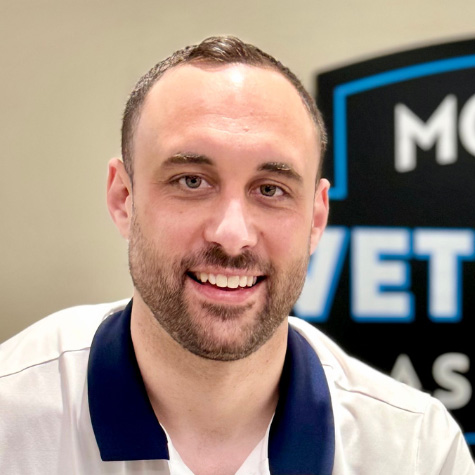
At Montclair Veterinary Associates, Dr. Cory Waxman and our team have been providing compassionate veterinary care across Northern New Jersey since 2011. We take every precaution to make anesthetic procedures as safe as possible for each individual patient, starting with a thorough pre-procedure evaluation and continuing through every stage of recovery.
Why Anesthesia Is Necessary for Certain Procedures
Anesthesia is not simply about keeping a pet still. It ensures the animal feels no pain, reduces stress on the body during an invasive or sensitive procedure, and gives the veterinary team the control needed to work safely and effectively. According to the American Veterinary Medical Association, most healthy pets, including senior animals, handle anesthesia well, and the risks are more closely tied to the pet’s overall health and the procedure itself than to the anesthesia alone.
Before any anesthetic event, we conduct a full physical exam including in-house laboratory testing and review the pet’s medical history. Pre-anesthetic bloodwork is a standard part of our process, helping us identify any underlying conditions that could affect how the pet responds and allowing us to tailor our approach accordingly. This preparation is what makes anesthesia predictable and manageable.
Common Veterinary Procedures That Require Anesthesia

Several of the most frequently performed veterinary treatments cannot be done safely or effectively without putting the patient under general anesthesia. The procedures below are among those most commonly requiring it.
Dental Cleanings and Oral Treatments
A professional dog teeth cleaning is one of the most frequent reasons a pet will need anesthesia. Because the most significant dental disease occurs below the gumline, a thorough cleaning requires X-rays, scaling, and probing that cannot be performed on a conscious, moving animal. Anesthesia keeps the pet calm, prevents accidental injury from dental instruments, and allows for a far more complete and accurate evaluation of oral health.
Spay and Neuter Procedures
Spaying and neutering are among the most common surgical procedures performed in veterinary medicine. Both involve direct access to internal reproductive organs and require the pet to remain completely still for the safety of the surgeon and the animal alike. General anesthesia is necessary for these procedures, and recovery is typically smooth for healthy patients.
Soft Tissue Surgery
Any procedure involving the internal organs, skin, or body cavities falls under the category of soft tissue surgery. This includes mass removals, wound repairs, bladder surgery, and more. These procedures involve incisions and tissue manipulation that would be impossible to perform without full anesthetic support. Pain management is carefully integrated into the anesthetic protocol to support a more comfortable recovery.
Imaging and Diagnostic Procedures
Some imaging and diagnostic work also requires anesthesia, particularly when a precise and motionless view is needed. Certain X-ray positions, advanced imaging studies, and biopsy procedures fall into this category. A pet that shifts even slightly can compromise the quality of results or, in the case of biopsies, create unnecessary risk.
What to Expect Before, During, and After
Preparation is one of the most important parts of a safe anesthetic experience. We recommend keeping up with routine wellness exams so there are no surprises when a procedure becomes necessary, as a pet’s current health status is always a key factor in anesthetic planning. On the day of the procedure, you will typically be asked to withhold food for a period beforehand, and our team will walk you through any specific instructions.
Dr. Waxman notes that not all anesthetic procedures are created equal. As he explains, “We do more testing, spend more time with each animal, use safer drugs, and have a more highly trained staff. We’re not offering low-end procedures where the animal might die — that’s simply not what we do here.” During every procedure, your pet is monitored continuously for heart rate, respiratory rate, blood pressure, and oxygen levels. After the procedure, pets are kept warm and observed closely during recovery before being cleared to go home.
Schedule a Visit at Montclair Veterinary Associates
At Montclair Veterinary Associates, we take the trust pet owners place in us seriously, and we work hard to honor it with every appointment. Dr. Waxman received his veterinary degree from the University of Pennsylvania School of Veterinary Medicine and has been treating pets across Northern NJ since 2011, bringing over a decade of hands-on experience to every procedure our team performs.
If your pet has an upcoming procedure requiring anesthesia, or if you have questions about whether a specific treatment will require it, we are here to help. Reach out through our contact form to schedule an appointment or speak with our team.