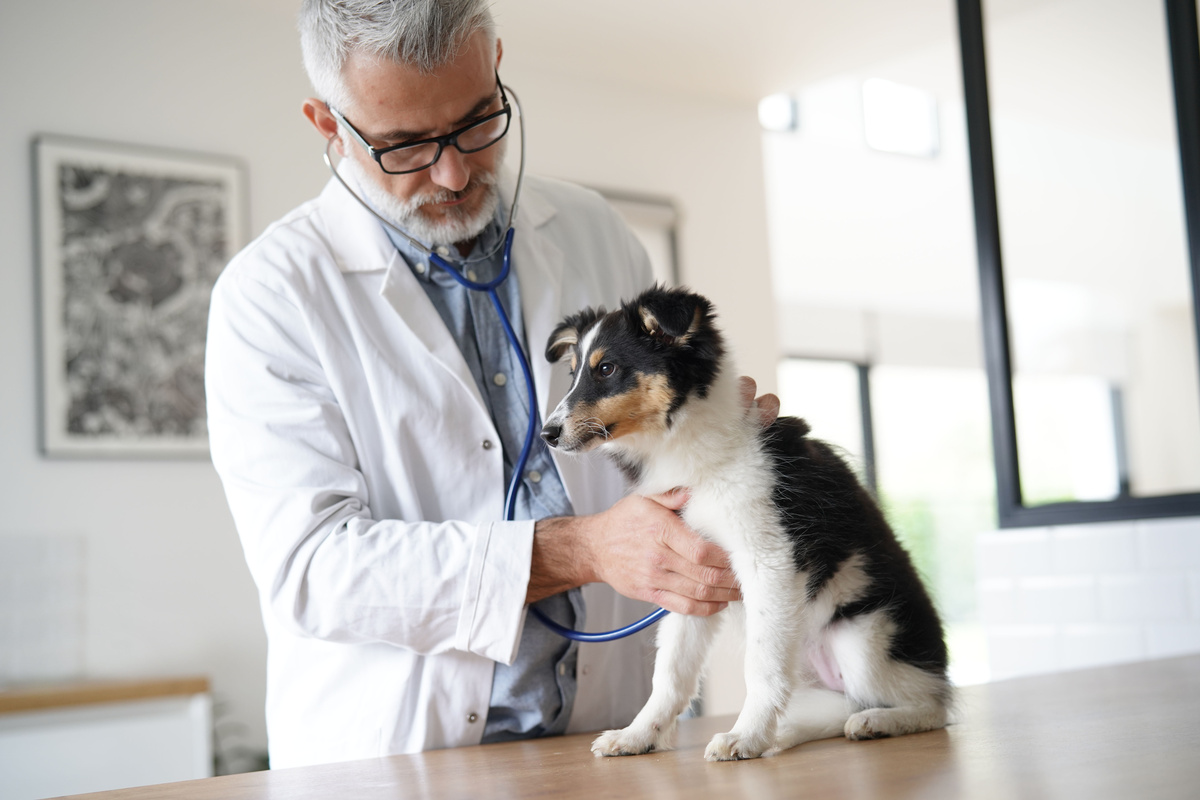
Watching your pet undergo surgery can be stressful, and the recovery period brings its own set of concerns for pet owners throughout Northern New Jersey. Soft tissue surgeries address conditions affecting organs, muscles, and other non-skeletal structures, and recovery times can vary significantly depending on the specific procedure, your pet’s overall health, and how well post-operative care is managed.
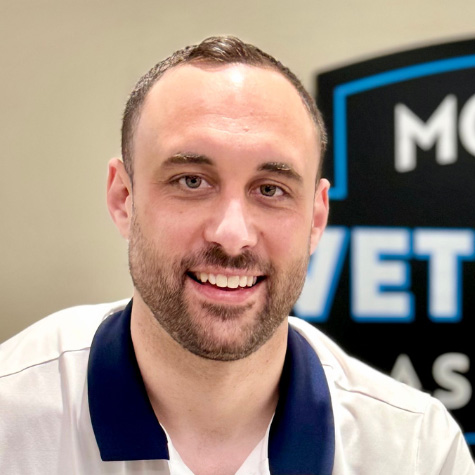
At Montclair Veterinary Associates, Dr. Cory Waxman and his team provide comprehensive surgical care and post-operative support for pets in Montclair, Verona, Caldwell, and surrounding communities. With his degree from the University of Pennsylvania School of Veterinary Medicine and experience treating pets in Northern NJ since 2011, Dr. Waxman ensures each patient receives attentive care throughout the entire surgical process and recovery.
Understanding Soft Tissue Surgery Recovery Timelines
The recovery period following soft tissue surgery depends on several factors. Minor procedures like small mass removals or simple wound repairs typically require one to two weeks for initial healing, while more complex surgeries involving internal organs or extensive tissue manipulation may need four to six weeks or longer for complete recovery. Most pets experience the most critical healing phase during the first 72 hours after surgery, when veterinarians monitor for complications such as excessive bleeding, infection, or adverse reactions to anesthesia.
Type of Surgery
The specific procedure your pet undergoes significantly impacts recovery duration. Abdominal surgeries, such as spay and neuter procedures or tumor removals, generally require longer healing periods than superficial procedures. Pain management is particularly important during the early days, as discomfort can slow healing and affect your pet’s willingness to rest.
Individual Factors
Your pet’s age, overall health status, and immune system function also play crucial roles in determining how quickly they bounce back from surgery. Younger, healthier pets typically recover faster than older animals or those with underlying health conditions. Pets who receive proper nutrition and maintain good body condition before surgery often experience smoother recoveries.
What to Expect During the Recovery Process
Immediately after surgery, your pet will likely feel groggy from anesthesia and may experience nausea or disorientation. These effects typically wear off within 12 to 24 hours. You may notice your pet is less active than usual, has a reduced appetite, or seems withdrawn during the first few days, which is completely normal as their body focuses energy on healing.
As healing progresses, you’ll observe gradual improvements in your pet’s energy level and behavior. Swelling and bruising around the surgical site are common and should diminish over the first week. The incision site should appear clean and dry, with no excessive redness, discharge, or foul odor. Your veterinarian will schedule follow-up appointments to monitor healing progress and remove sutures or staples, typically 10 to 14 days after surgery.
Supporting Your Pet’s Recovery at Home
Creating a comfortable recovery environment is one of the most important things you can do for your pet. Pet owners should follow specific guidelines to ensure proper healing and prevent complications.
- Restricted activity: Limit physical activity strictly according to your veterinarian’s instructions, as overexertion can cause sutures to tear or incisions to reopen. Confine your pet to a quiet, designated space away from other animals and household activity.
- E-collar compliance: Elizabethan collars prevent pets from licking or chewing at surgical sites. While many pets find these collars frustrating, they’re essential for preventing infections and complications that could require additional treatment.
- Medication administration: Administer all prescribed medications exactly as directed, including antibiotics and pain relievers. Never discontinue medications early, even if your pet seems to feel better, as this can lead to complications or incomplete healing.
- Incision monitoring: Check the surgical site daily for signs of infection, excessive swelling, or separation. Keep the area clean and dry, and prevent your pet from disturbing the incision.
According to the American Veterinary Medical Association, effective pain management not only improves comfort but also supports faster healing by allowing pets to rest properly and reducing stress on the body.
Potential Complications to Watch For
While most pets recover from soft tissue surgery without issues, complications can occur. Monitor your pet closely for warning signs requiring immediate veterinary attention. Contact your veterinarian right away if you notice excessive bleeding from the incision, significant swelling worsening after the first few days, or any discharge appearing yellow, green, or having a foul smell.
Other concerning symptoms include loss of appetite lasting more than 24 hours, lethargy not improving after the first day, vomiting or diarrhea, difficulty breathing, or a fever. If your pet seems to be in severe pain despite medication, this also warrants immediate professional evaluation. Incision complications are among the most common post-surgical issues, and sutures breaking open or incision sites separating require professional care to prevent infection and ensure proper healing.
When Your Pet Can Return to Normal Activity
Gradually reintroducing activity is important for rebuilding strength without risking injury to the healing tissues. Your veterinarian will provide specific timelines based on your pet’s surgery type and individual recovery progress. Generally, short, leashed walks are permitted after the first week for dogs, while cats should remain indoors with limited jumping or climbing.
Most pets can resume normal activity levels between four to six weeks after major soft tissue surgery, though this varies considerably. Never allow your pet to run, jump excessively, or play roughly until your veterinarian gives explicit approval. Premature return to strenuous activity is one of the leading causes of surgical complications. Watch for signs your pet is ready to increase activity, such as consistent energy levels, complete healing of the incision site, and comfortable movement without limping or hesitation.
Compassionate Surgical Care at Montclair Veterinary Associates
Dr. Waxman and the team at Montclair Veterinary Associates understand your pet’s surgical experience and recovery are significant concerns for your family. With his background in biochemistry from Northwestern University and veterinary training from the University of Pennsylvania, Dr. Waxman brings both scientific knowledge and genuine compassion to every surgical case. His experience with endangered species research through the Noah’s Ark Project has given him a unique perspective on careful surgical techniques and attentive post-operative care.
The practice serves pets throughout Northern New Jersey, including Nutley, Bloomfield, Cedar Grove, Glen Ridge, and Pleasantdale, providing thorough pre-surgical consultations, advanced surgical procedures, and comprehensive recovery support. If your pet needs soft tissue surgery or you have questions about post-operative care, contact Montclair Veterinary Associates to schedule a consultation and discuss how they can support your pet’s health.