
Bringing home a puppy transforms your life in the best possible way, but that first veterinary visit can feel overwhelming if you don’t know what to expect. New pet parents often arrive with a mix of excitement and concern about whether they’re doing everything right for their newest family member.
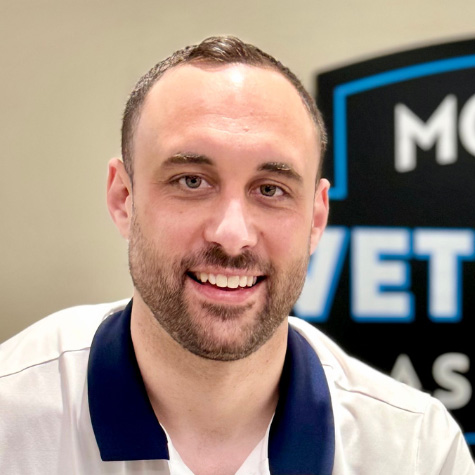
At Montclair Veterinary Associates, we recognize that establishing a relationship with a veterinarian early sets the foundation for your puppy’s lifelong health. Dr. Cory Waxman, who graduated from the University of Pennsylvania School of Veterinary Medicine with a degree in biochemistry from Northwestern University, has been treating pets in Northern NJ since 2011. His experience with animal care began long before veterinary school, volunteering at animal shelters and conducting research for the “Noah’s Ark” Project, developing artificial reproduction methods for endangered species. We approach every first visit with patience and thoroughness, making sure you leave confident about caring for your new companion.
What to Bring to Your Puppy’s First Appointment
Preparation makes your first visit smoother for both you and your puppy. Gather any medical records from the breeder, shelter, or rescue organization, as these documents show which vaccines your puppy has already received and whether any health concerns have been noted. Bring a fresh stool sample in a sealed bag or container if possible, since we typically perform parasite screening during the first visit.
Write down any questions or concerns before you arrive. New pet parents often forget to ask important questions once the appointment begins, so having a list ensures you address everything on your mind. Your puppy should wear a collar with identification tags, and bringing treats helps create positive associations with veterinary visits.
The Physical Examination Process
The physical exam forms the core of your puppy’s first veterinary visit. We start by checking your puppy’s weight and body condition, establishing baseline measurements for future visits. Dr. Waxman examines your puppy from nose to tail, looking for any signs of congenital issues or health concerns that need attention.
- Nose and mouth: We check for cleft palate, examine the gums for proper color and health, and look at the teeth to ensure they’re coming in correctly.
- Eyes and ears: The examination includes checking for proper eye development, signs of infection, and ear mite presence.
- Heart and lungs: Using a stethoscope, we listen for any abnormal heart sounds or murmurs and assess respiratory function.
- Abdomen and body: Palpating the abdomen helps us check for hernias, enlarged organs, or other abnormalities. We also examine the skin and coat for parasites or other concerns.
- Joints and mobility: We observe how your puppy moves and check their joints for proper development, which matters especially for breeds prone to hip dysplasia.
This comprehensive approach ensures we catch potential problems early when they’re most treatable.
Vaccination Schedule and Preventive Care
Puppies need a series of vaccines to protect them from serious diseases. Core vaccines include distemper, parvovirus, and rabies, while non-core vaccines depend on your puppy’s lifestyle and risk factors. Most puppies require vaccines every three to four weeks until they reach about 16 weeks of age.
We also discuss parasite prevention, including heartworm medication and flea and tick control, tailored to your puppy’s size and the time of year. Preventive care extends beyond vaccines. We talk about spaying or neutering, microchipping for permanent identification, and nutrition appropriate for your puppy’s breed and size.
Common Questions About Puppy Behavior and Health
New pet parents often wonder whether certain behaviors are normal or cause for concern. House training accidents, nipping and mouthing, and high energy levels typically fall within normal puppy behavior. Red flags include lethargy, loss of appetite lasting more than a day, vomiting or diarrhea, difficulty breathing, or unusual discharge from the eyes or nose.
Socialization matters tremendously during your puppy’s first few months. While you should avoid areas where unvaccinated dogs congregate until your puppy completes their vaccine series, controlled exposure to new people, sounds, and experiences helps them develop into confident adult dogs.
Many new pet parents ask about costs during the first visit. Veterinary care requires payment at the time of service, similar to any medical care without insurance coverage. We provide estimates for recommended treatments and discuss options based on your budget and your puppy’s needs.
Schedule Your Puppy’s First Visit
Starting your puppy’s veterinary care early gives them the best chance at a long, healthy life. At Montclair Veterinary Associates, we take time during first visits to answer all your questions and make sure you feel confident about caring for your new family member. Dr. Waxman has treated pets throughout Northern NJ for over a decade and works with pet owners to provide the best medical care possible, earning a strong reputation among veterinary staff across the region.
Contact us today to schedule your puppy’s first appointment and begin building a lasting relationship with a veterinary practice that truly cares about your pet’s well-being.