
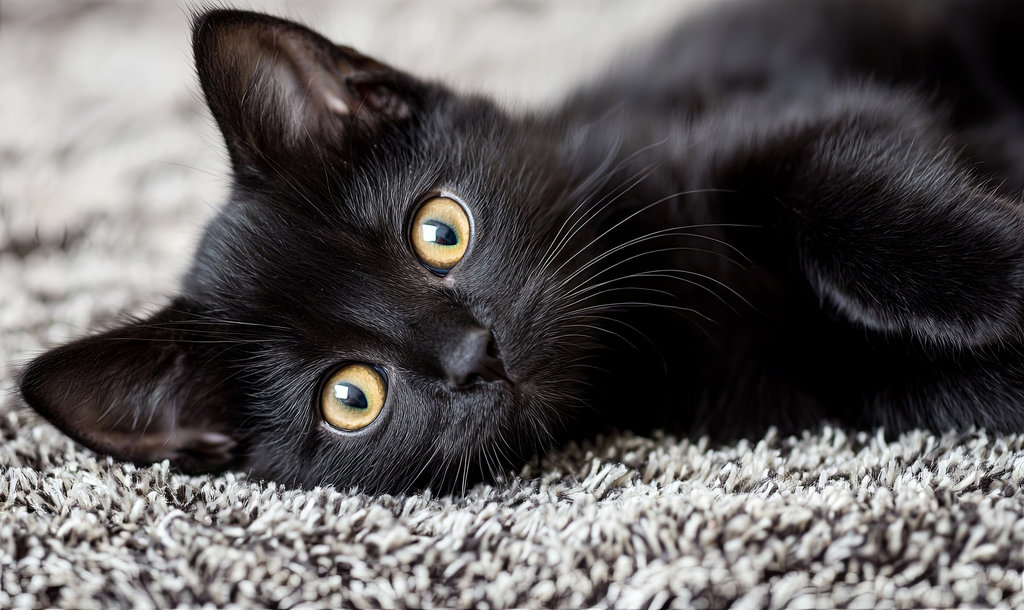
Bringing home a new kitten marks the beginning of a rewarding journey that requires preparation, patience, and proper care. First-time cat owners need to understand the fundamental aspects of kitten care to ensure their new companion grows into a healthy, well-adjusted adult cat.
The essential elements of kitten care include proper nutrition, preventive healthcare, environmental enrichment, and early socialization. New kitten owners should establish care routines during the critical first few months when kittens are most impressionable and their immune systems are developing. At Montclair Veterinary Associates, we guide new pet parents through every stage of kitten development, from their first veterinary visit to establishing lifelong wellness routines. Creating a structured approach to kitten care helps prevent common health issues and behavioral problems while strengthening the bond between you and your new feline friend.
Setting Up Your Home for a Kitten
Creating a safe, comfortable environment helps your kitten adjust to their new home while preventing accidents and injuries. Start by designating a quiet room where your kitten can initially stay, equipped with all necessary supplies, including a litter box, food and water bowls, scratching posts, and comfortable bedding. This smaller space allows your kitten to feel secure while gradually exploring their new surroundings.
Kitten-proofing your home requires removing or securing potential hazards such as toxic plants, electrical cords, small objects that could be swallowed, and unstable items that could fall. Install childproof latches on cabinets containing cleaning supplies or medications, and ensure windows have secure screens to prevent falls. Consider your kitten’s natural climbing instincts by providing appropriate vertical spaces like cat trees while securing breakable decorations and valuables that could be knocked over during energetic play sessions.
Nutrition Guidelines for Growing Kittens
Proper nutrition during the first year of life sets the foundation for your kitten’s long-term health and development. Kittens require specially formulated kitten food that provides higher levels of protein, calories, and essential nutrients compared to adult cat food. Feed your kitten three to four small meals daily until they reach six months old, then gradually transition to twice-daily feeding as they approach their first birthday.
Choose high-quality commercial kitten food that meets Association of American Feed Control Officials (AAFCO) standards for growth and development. Wet food provides additional hydration and may be easier for young kittens to eat, while dry food can help maintain dental health as your kitten grows. Always provide fresh, clean water in multiple locations throughout your home, and avoid giving your kitten cow’s milk, which can cause digestive upset.
Essential Veterinary Care and Vaccinations
Establishing veterinary care early protects your kitten from preventable diseases and allows for early detection of potential health issues. Schedule your kitten’s first veterinary visit within the first week of bringing them home, even if they appear healthy. During this initial examination, your veterinarian will assess your kitten’s overall health, check for parasites, and discuss a vaccination schedule tailored to your kitten’s age and risk factors.
Core vaccines for kittens include protection against feline panleukopenia, feline calicivirus, feline herpesvirus, and rabies. These vaccines typically begin at six to eight weeks of age and require booster shots every three to four weeks until your kitten reaches sixteen weeks old. Your veterinarian may also recommend additional vaccines based on your kitten’s lifestyle and local disease prevalence.
Litter Box Training and Maintenance
Most kittens instinctively use litter boxes, but proper setup and maintenance encourage consistent use and prevent elimination problems. Provide one litter box per cat plus one extra, placed in quiet, easily accessible locations away from food and water bowls. Choose unscented, clumping litter initially, as some kittens may be sensitive to strong fragrances or unusual textures.
Keep litter boxes clean by scooping waste at least once daily and completely changing the litter weekly. Young kittens may need lower-sided boxes for easy entry and exit, gradually transitioning to standard boxes as they grow. If your kitten has accidents outside the litter box, avoid punishment and instead evaluate potential causes such as box location, cleanliness, or stress factors in the environment that may require veterinary consultation.
Socialization and Behavioral Development
The critical socialization period for kittens occurs between two and seven weeks of age, though positive experiences should continue throughout kittenhood. Expose your kitten to various people, gentle handling, household sounds, and supervised interactions with other pets to build confidence and reduce fear-based behaviors. Regular, positive interactions during this formative period help prevent behavioral issues that can persist into adulthood.
Engage your kitten in interactive play sessions using wand toys, laser pointers, and puzzle feeders to satisfy their natural hunting instincts and provide mental stimulation. Establish consistent routines for feeding, play, and sleep to help your kitten feel secure and develop healthy habits. Address unwanted behaviors like scratching furniture or biting through positive reinforcement training and appropriate environmental enrichment rather than punishment.
Common Health Concerns in Kittens
Understanding common kitten health issues helps you recognize when veterinary care is needed. Upper respiratory infections, caused by various viruses and bacteria, frequently affect kittens and may cause sneezing, nasal discharge, and eye problems. Intestinal parasites like roundworms and hookworms are common in kittens and require appropriate deworming medications prescribed by your veterinarian.
Monitor your kitten for signs of illness, including lethargy, loss of appetite, vomiting, diarrhea, or changes in behavior. Kittens can become seriously ill quickly due to their small size and developing immune systems, making prompt veterinary attention crucial when symptoms appear. Regular preventive care and early intervention help ensure minor issues don’t develop into serious health problems common in New Jersey pets.
Creating Lifelong Wellness Habits
Establishing wellness routines during kittenhood creates the foundation for a long, healthy life with your feline companion. Regular veterinary checkups, proper nutrition, environmental enrichment, and preventive care all contribute to your cat’s physical and mental well-being. As your kitten grows, maintain consistent care routines while adjusting for their changing needs through different life stages.Dr. Cory Waxman at Montclair Veterinary Associates brings extensive experience in feline medicine, having graduated from the University of Pennsylvania School of Veterinary Medicine and conducted research through the “Noah’s Ark” Project on reproduction methods for endangered feline species. We provide comprehensive kitten care services, from initial wellness exams to ongoing preventive care throughout your cat’s life. Schedule your kitten’s first visit by contacting our Montclair office.